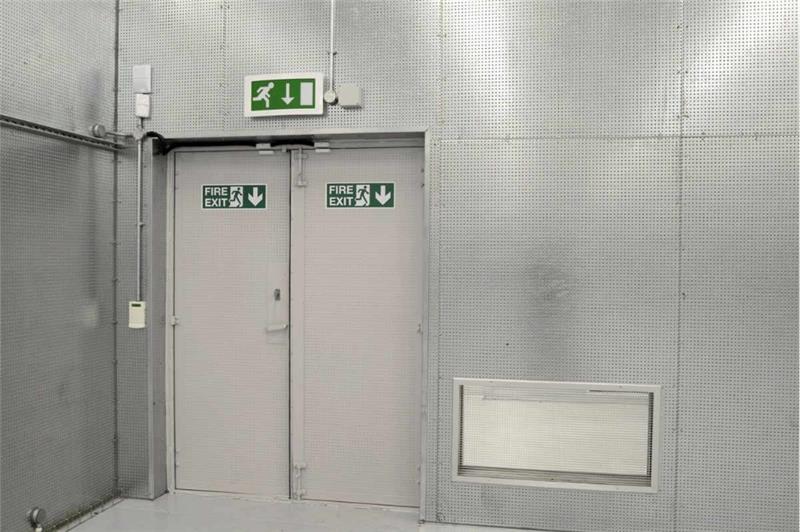
fire alarm testing in NSW

Fire Alarm Testing & Maintenance Requirements Explained

Fire alarm testing in NSW is essential for ensuring buildings remain safe, compliant, and prepared for emergencies. Fire alarm systems are designed to detect hazards early and alert occupants quickly. However, without proper maintenance and testing, these systems may not perform as expected when needed. Understanding fire alarm testing in NSW helps property owners and…

Details
fire safety testing frequency in NSW

How Often Do Fire Safety Systems Need Testing in NSW?

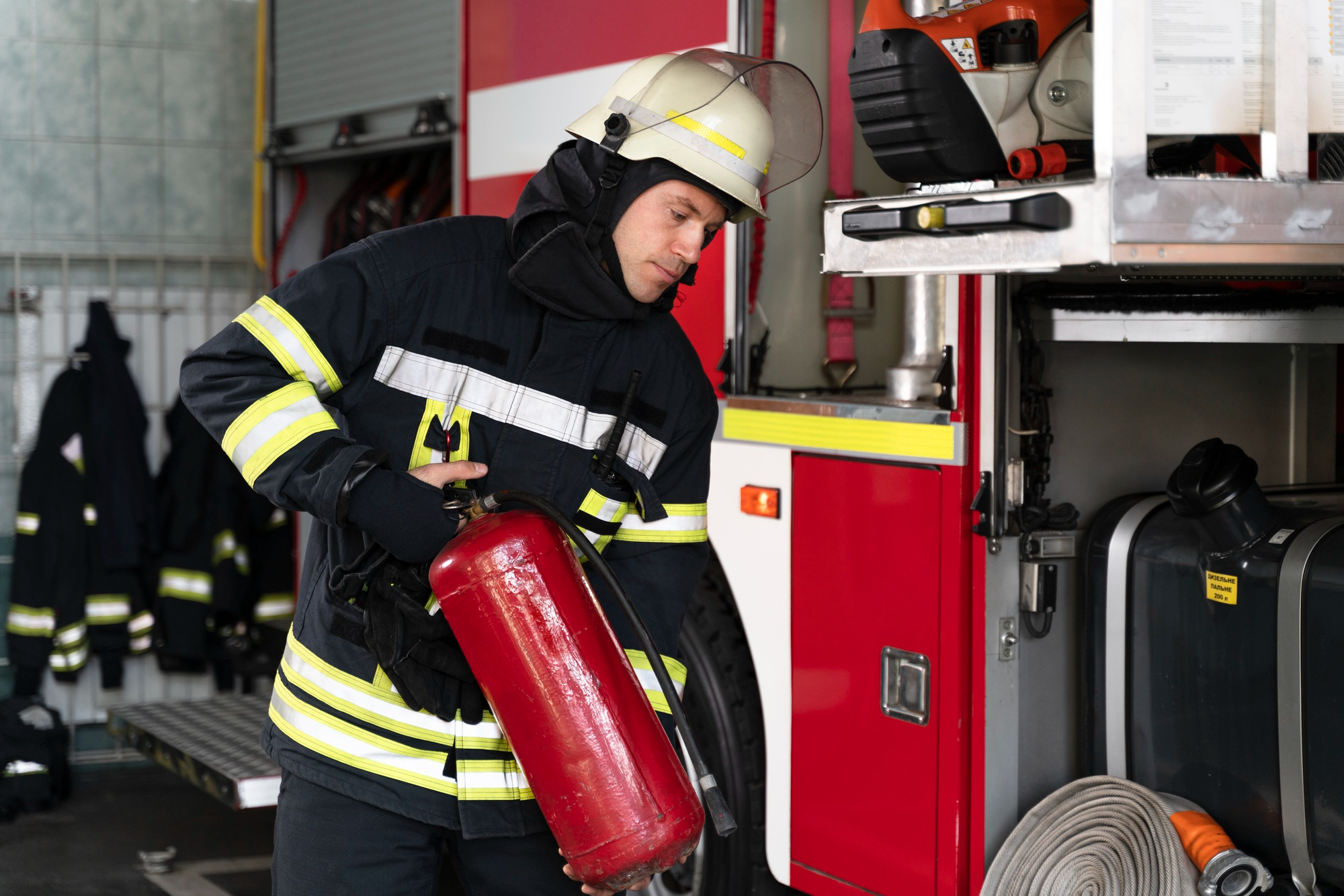
Fire safety testing frequency in NSW is a critical consideration for building owners, strata managers, and facility operators across New South Wales. Fire protection systems are not simply installed and forgotten; they require ongoing testing and maintenance to remain compliant and fully operational. Australian standards and NSW regulations clearly outline how often each system must…

Details
AFSS penalties in NSW

AFSS Penalties, Fines & Legal Risks Explained: What Indianapolis Homeowners Should Expect

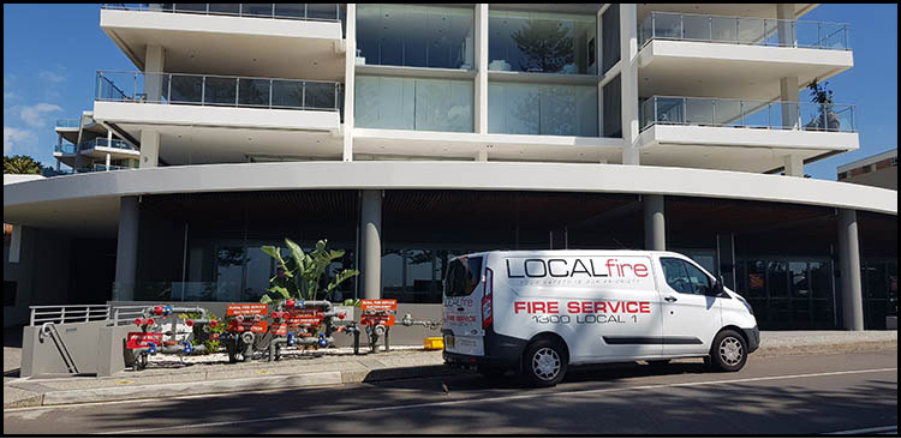
AFSS penalties in NSW are becoming increasingly strict, and property owners must clearly understand the serious consequences of failing to comply with fire safety regulations. Although the AFSS framework is specific to New South Wales, the principles of fire safety compliance, risk management, and legal responsibility are highly relevant to property owners in any location.…

Details
How to get an AFSS in NSW

How to Get an Annual Fire Safety Statement Issued

Introduction to Annual Fire Safety Statements (AFSS) How to get an AFSS in NSW is a question many strata managers and property owners ask when navigating fire safety compliance in New South Wales. An Annual Fire Safety Statement (AFSS) is a legally required document that confirms all essential fire safety measures within a building have…

Details
who needs AFSS NSW

Who Needs an Annual Fire Safety Statement in NSW? 

who needs AFSS NSW is a common question among property owners, strata managers, and business operators across New South Wales. Fire safety compliance is a critical legal responsibility, and understanding whether your building requires an Annual Fire Safety Statement (AFSS) is essential for maintaining safety and avoiding regulatory penalties. In NSW, many buildings that contain essential fire safety measures…

Details
annual fire safety statement NSW

What Is an Annual Fire Safety Statement (AFSS) in NSW? 

Annual fire safety statement NSW requirements are a critical part of building compliance across New South Wales. Building owners, strata managers, and property managers must ensure their properties meet strict fire safety standards each year. An Annual Fire Safety Statement (AFSS) confirms that all essential fire safety measures within a building have been inspected, tested, and…

Details
Who Is Responsible for Fire Safety NSW

Who Is Responsible for Fire Safety in Commercial & Strata Buildings? 

Fire safety responsibility in New South Wales is one of the most misunderstood areas of property compliance. Many building owners assume tenants are responsible; tenants believe it sits with owners, and strata committees often think managing agents handle everything. NSW fire safety laws are very specific about who holds legal responsibility, and getting it wrong can lead to fines, invalid insurance,…

Details
Who Is Responsible for Fire Safety NSW

What Are the Fire Safety Compliance Requirements in NSW? 

Fire safety compliance requirements in NSW are not optional guidelines. They are legally enforceable obligations designed to protect lives, property, and businesses across residential, strata, commercial, and mixed-use buildings. Whether you own a single commercial premises, manage a strata complex, or act as a facility manager, understanding and meeting these requirements is critical. NSW fire…

Details
Fire Extinguisher

What Happens If a Building Fails a Fire Safety Inspection? 

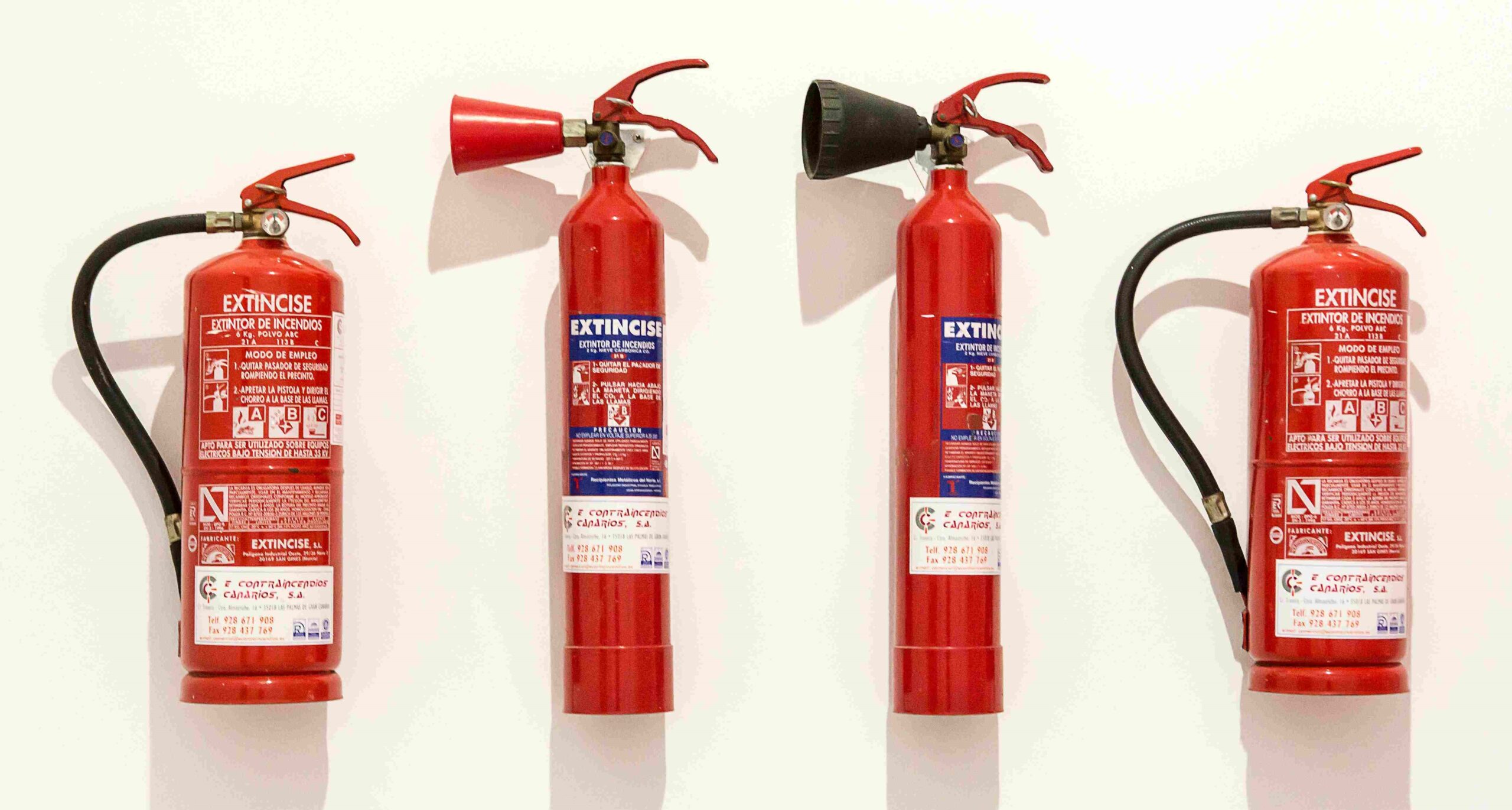
Understanding Fire Safety Inspections in NSW  Fire safety inspections in NSW exist to ensure that buildings meet minimum safety standards required under state legislation and the Building Code of Australia. These inspections are part of a broader compliance framework that aims to reduce fire-related injuries, fatalities, and property loss across residential, commercial, and industrial buildings. Many…

Details