Fire safety testing frequency in NSW is a critical consideration for building owners, strata managers, and facility operators across New South Wales. Fire protection systems are not simply installed and forgotten; they require ongoing testing and maintenance to remain compliant and fully operational. Australian standards and NSW regulations clearly outline how often each system must be inspected to ensure it performs effectively during an emergency.
Understanding fire safety testing frequency in NSW helps reduce risk, improve safety outcomes, and avoid compliance issues. In addition, a well-structured fire system inspection schedule ensures all components are tested at the right intervals without delays or oversights. This article explains the testing frequency, key responsibilities, and best practices for maintaining fire safety systems across different types of buildings.
Why Fire Safety Testing Matters
Fire safety systems are designed to protect lives and minimise property damage, but they can only perform effectively when maintained correctly. Over time, components may deteriorate due to environmental factors, ageing, or infrequent use. Without proper testing, faults may remain hidden until a real emergency occurs.
In NSW, strict regulations govern maintenance practices to ensure safety across all building types. Regular inspections provide assurance that alarms, sprinklers, and other systems are fully operational. Furthermore, understanding fire safety testing frequency in NSW ensures building owners meet legal obligations and maintain a safe environment for occupants.
Key Reasons for Regular Testing
Before outlining the benefits, it is important to understand that fire safety systems work together as a complete network. A fault in one element can impact the entire system’s performance.
- Ensures all fire protection services operate correctly
- Detects faults early and prevents system failure
- Supports compliance with NSW regulations
- Reduces risk during emergencies
- Improves confidence among occupants
Fire Safety Testing Frequency in NSW: Key Requirements
Fire safety testing frequency in NSW varies depending on the system type and building classification. However, standard intervals are widely applied to ensure consistent maintenance. These intervals range from simple monthly checks to detailed annual inspections carried out by professionals.
Each level of testing becomes more comprehensive. While some checks involve visual inspections, others require technical expertise and specialised equipment. Following fire safety testing frequency in NSW ensures systems remain compliant and reliable throughout the year.
Monthly Testing Requirements
Monthly inspections focus on identifying visible issues and confirming that systems are operational. These checks are simple but essential for early fault detection.
Regular monthly testing supports compliance with fire safety testing frequency in NSW by ensuring that systems are monitored consistently. It also helps prevent minor issues from escalating into major faults.
What Is Included in Monthly Testing
- Checking fire indicator panels for faults
- Inspecting emergency lighting functionality
- Verifying fire pump readiness
- Ensuring extinguishers are accessible
Quarterly Testing Requirements
Quarterly testing involves more detailed assessments and often requires professional involvement. These inspections ensure systems respond correctly under controlled conditions.
Adhering to fire safety testing frequency in NSW during quarterly checks helps identify performance issues early. This level of testing is crucial for maintaining system reliability.
What Is Included in Quarterly Testing
- Functional testing of fire alarm system installation components
- Inspection of sprinkler pressure and flow
- Checking fire doors and exits
- Testing emergency communication systems
Six-Monthly Testing Requirements
Six-monthly inspections provide a deeper level of maintenance and performance evaluation. These checks go beyond functionality and focus on system reliability.
Following fire safety testing frequency in NSW at this stage ensures that systems meet Australian standards and continue to perform efficiently.
What Is Included in Six-Monthly Testing
- Cleaning and testing smoke detectors
- Servicing fire extinguishers with a fire extinguisher supplier
- Testing emergency warning systems
- Inspecting backup power supplies
Annual Testing Requirements
Annual inspections are the most comprehensive and are essential for compliance certification. These assessments cover all fire safety systems within a building.
Fire safety testing frequency in NSW requires annual reviews to confirm that systems meet regulatory standards. This process also supports the preparation of compliance documentation.
What Is Included in Annual Testing
- Full system performance testing
- Preparation of annual fire safety statements
- Inspection of all fire protection services
- Identification of required upgrades
Fire System Inspection Schedule Explained
A fire system inspection schedule ensures that all testing activities are carried out at the correct intervals. Without a structured schedule, it becomes difficult to maintain compliance and consistency.
This schedule should reflect fire safety testing frequency in NSW and be tailored to the building’s specific requirements. It must also align with Australian standards and regulatory guidelines.
Components of an Effective Schedule
Before listing the elements, it is important to recognise that a well-organised schedule improves accountability and efficiency.
- Comprehensive list of fire safety systems
- Defined testing intervals for each system
- Assigned responsibilities for inspections
- Clear documentation procedures
- Action plans for addressing faults
Common Fire Safety Systems and Their Testing Needs
Each fire safety system has unique testing requirements. Understanding these differences helps ensure effective maintenance and compliance with fire safety testing frequency in NSW.
A complete maintenance plan should cover all installed systems, as each plays a vital role in fire prevention and response.
Fire Alarm Systems
Fire alarm systems provide early warning during emergencies. Regular testing ensures they function correctly and integrate with other systems.
Testing Requirements
- Routine visual inspections
- Functional testing of alarms
- Integration checks with other systems
- Annual system evaluation
Fire Extinguishers
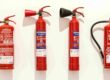
Fire extinguishers allow immediate response to small fires. Proper maintenance ensures they are always ready for use.
Testing Requirements
- Visual inspections for damage
- Pressure and servicing checks
- Replacement of faulty units
- Verification of correct placement
Sprinkler Systems
Sprinkler systems help control fires before they spread. Regular testing ensures proper water flow and system performance.
Testing Requirements
- Valve and control inspections
- Flow and pressure testing
- Leak and blockage checks
- Annual performance review
Emergency Lighting Systems
Emergency lighting supports safe evacuation during power failures. These systems must operate reliably in all conditions.
Testing Requirements
- Monthly functionality checks
- Six-monthly discharge testing
- Battery inspections
- Annual compliance checks
Legal Requirements for Fire Maintenance in NSW
Fire maintenance in NSW regulations require building owners to ensure all fire safety systems are operational and compliant. These requirements are enforced through inspections and documentation.
Understanding fire safety testing frequency in NSW is essential for meeting these obligations. Compliance protects both occupants and property while reducing legal risks.
Key Compliance Obligations
Before outlining the obligations, it is important to note that compliance demonstrates responsible building management.
- Submission of annual fire safety statements
- Maintenance of inspection records
- Engagement of qualified professionals
- Immediate rectification of faults
- Adherence to Australian standards
Benefits of Regular Fire Safety Testing
Regular testing provides both safety and operational benefits. By following fire safety testing frequency in NSW, building owners can ensure systems remain reliable and effective.
Proactive maintenance reduces risks and improves overall building performance. It also supports long-term compliance and cost efficiency.
Key Benefits
- Enhanced occupant safety
- Reduced risk of system failure
- Improved compliance with regulations
- Lower long-term maintenance costs
- Greater confidence in safety systems
Choosing the Right Fire Protection Services
Selecting the right provider is essential for maintaining compliance and reliability. Experienced professionals ensure that testing is carried out according to fire safety testing frequency in NSW.
A reliable provider also helps manage inspection schedules and documentation, making compliance easier to maintain.
What to Consider
Before choosing a provider, it is important to evaluate their experience and capabilities.
- Knowledge of fire maintenance in NSW requirements
- Experience with various systems
- Clear reporting processes
- Consistent service delivery
- Understanding of compliance standards
How to Stay Compliant Year-Round
Maintaining compliance requires continuous effort and planning. Fire safety testing frequency in NSW should guide all inspection and maintenance activities throughout the year.
A proactive approach ensures that systems remain functional and compliant at all times. Regular monitoring and professional support are key to achieving this.
Practical Steps for Compliance
Before listing the steps, it is important to understand that consistency is essential for effective fire safety management.
- Maintain a detailed inspection schedule
- Conduct routine internal checks
- Engage qualified fire protection services
- Keep accurate maintenance records
- Address faults promptly
Common Mistakes to Avoid
Many compliance issues arise from avoidable mistakes. Understanding these errors helps improve safety and adherence to regulations.
Ignoring fire safety testing frequency in NSW can lead to serious risks and legal consequences. Therefore, it is important to remain vigilant.
Frequent Errors
- Skipping scheduled inspections
- Poor record keeping
- Using unqualified technicians
- Ignoring minor faults
- Failing to update schedules
Future Trends in Fire Safety Testing
Advancements in technology are transforming fire safety testing and maintenance. Modern systems offer improved efficiency and reliability.
These innovations support compliance with fire safety testing frequency in NSW while reducing manual effort. They also enhance overall system performance.
Emerging Developments
Before outlining the trends, it is important to recognise the growing role of digital solutions in fire safety.
- Smart monitoring systems
- Automated testing tools
- Integration with building systems
- Digital compliance tracking
- Advanced data analysis
Conclusion
Maintaining fire safety testing frequency in NSW is essential for protecting lives, ensuring compliance, and supporting reliable building operations. Regular inspections, combined with a structured fire system inspection schedule, help identify issues early and keep systems functioning as intended. Over time, this proactive approach reduces risks and strengthens overall safety outcomes.
If you want to ensure your building remains compliant and fully protected, partnering with a trusted provider is the best approach. Local Fire delivers dependable fire protection services tailored to your needs. Contact Local Fire today to organise professional testing and keep your property aligned with fire safety requirements throughout the year.
FAQs
1. How often should fire safety systems be tested in NSW?
Fire safety systems must be tested at monthly, quarterly, six-monthly, and annual intervals depending on the system type. Following fire safety testing frequency in NSW ensures all equipment remains compliant and functional. Regular testing also helps identify faults early and maintain safety standards.
2. What is included in a fire system inspection schedule?
A fire system inspection schedule includes all fire safety systems, their testing intervals, and maintenance procedures. It aligns with fire safety testing frequency in NSW and ensures consistent compliance. Proper scheduling also helps track inspections and address issues promptly.
3. Who is responsible for fire maintenance in NSW compliance?
Building owners and managers are responsible for ensuring compliance with fire maintenance in NSW regulations. They must follow fire safety testing frequency in NSW and arrange regular inspections. Engaging qualified professionals helps meet these responsibilities effectively.
4. Why is regular fire safety testing important?
Regular testing ensures systems operate correctly during emergencies and reduces the risk of failure. Following fire safety testing frequency in NSW helps maintain compliance and improve safety. It also supports early detection of faults and ongoing system reliability.
5. What happens if fire safety systems are not tested regularly?
Failure to follow fire safety testing frequency in NSW can lead to system malfunction and increased risk during emergencies. It may also result in non-compliance and legal consequences. Regular testing ensures systems remain dependable and aligned with regulations.