AFSS penalties in NSW are becoming increasingly strict, and property owners must clearly understand the serious consequences of failing to comply with fire safety regulations. Although the AFSS framework is specific to New South Wales, the principles of fire safety compliance, risk management, and legal responsibility are highly relevant to property owners in any location. Non-compliance is no longer treated as a minor administrative issue; instead, it is considered a significant breach that can lead to financial penalties, legal exposure, and long-term operational challenges. For property owners, understanding how AFSS fines work, what triggers enforcement action, and how to stay compliant is essential for protecting both assets and occupants.
Understanding AFSS and Why Compliance Matters
What Is an Annual Fire Safety Statement (AFSS)?
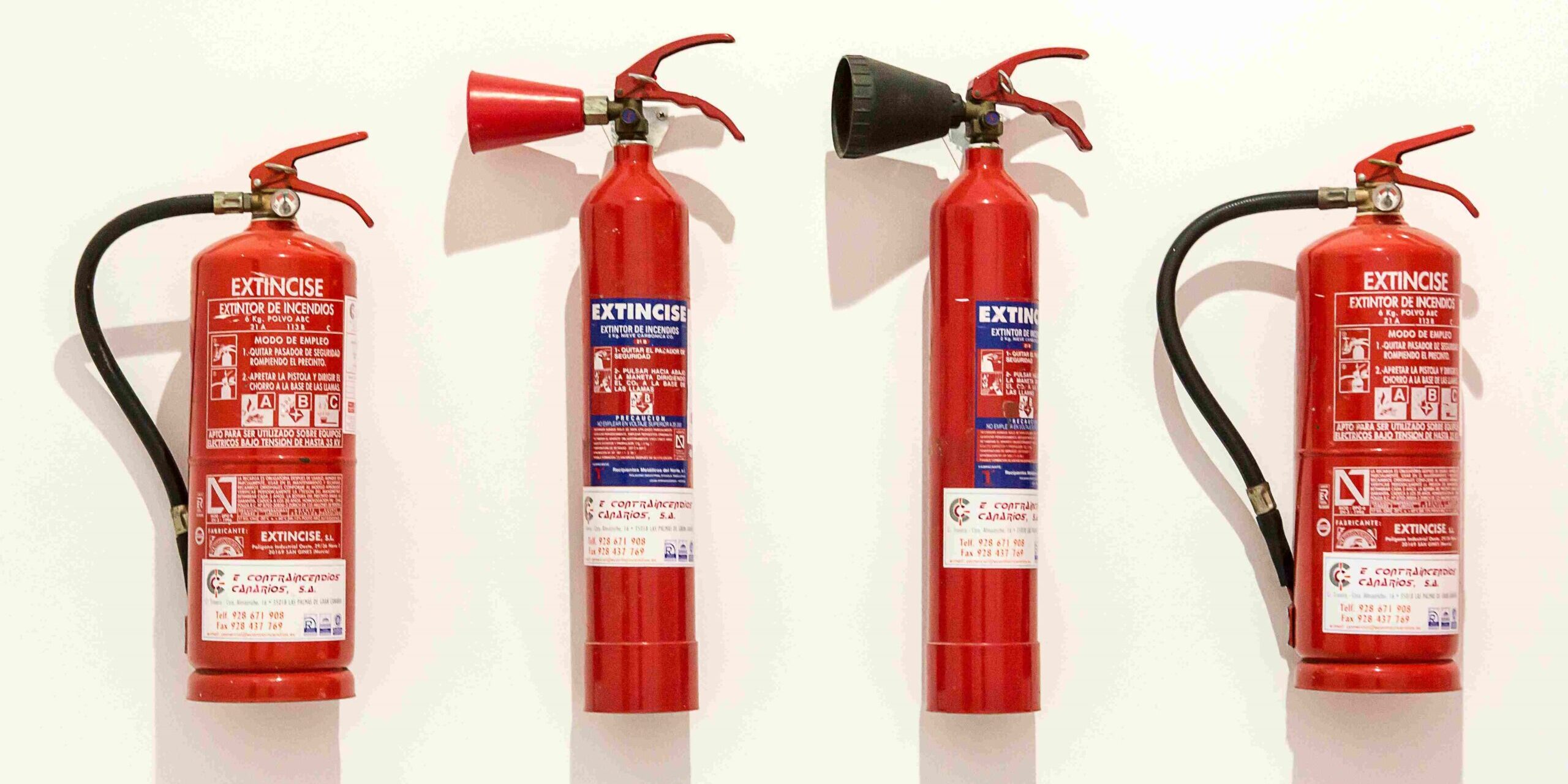
An Annual Fire Safety Statement (AFSS) is a formal declaration issued by or on behalf of a property owner confirming that all essential fire safety measures installed within a building have been inspected, tested, and verified as functioning in accordance with applicable standards. These systems include fire alarms, smoke detection systems, sprinkler installations, fire doors, exit signage, and emergency lighting. The AFSS must be submitted to the local council and Fire and Rescue NSW each year, creating an ongoing record of compliance. Rather than being a simple formality, the AFSS plays a critical role in ensuring that buildings remain in safe environments for occupants, visitors, and emergency responders. All buildings must maintain properly tested fire extinguishers as part of their essential safety systems.
Who Needs an AFSS and Why It’s Legally Required
The requirement to obtain and submit an AFSS applies to a wide range of property owners, particularly those responsible for strata buildings, commercial premises, and multi-residential developments. The legal obligation is placed directly on the property owner, making them accountable for ensuring that all fire safety systems are properly maintained and certified. This requirement exists because fire safety systems can deteriorate over time if not regularly inspected, potentially putting lives at risk. By enforcing annual certification, authorities ensure that building owners remain proactive in maintaining safety standards and addressing potential hazards before they escalate into serious incidents.
The Growing Importance of Fire Safety Compliance for Property Owners
Fire safety compliance has become increasingly important due to heightened regulatory scrutiny and a stronger emphasis on risk prevention. Authorities are now more proactive in monitoring compliance, conducting audits, and issuing penalties where necessary. At the same time, tenants and stakeholders are becoming more aware of safety standards and expect property owners to maintain high levels of compliance. This shift means that fire safety is no longer just a legal requirement but also a key component of responsible property management. Owners who priorities compliance are better positioned to protect their investments, maintain tenant trust, and avoid unnecessary disruptions.
AFSS Penalties In NSW: What Homeowners Must Know
Overview of AFSS penalties in NSW Regulations
The AFSS penalties in NSW framework is designed to ensure that property owners take their compliance obligations seriously. Local councils have the authority to issue fines, compliance notices, and enforcement orders when an AFSS is not submitted on time or does not meet required standards. These penalties are structured to encourage timely action and discourage negligence. The severity of the penalty often depends on factors such as the length of delay, the condition of fire safety systems, and whether the owner has a history of non-compliance. As a result, even a single oversight can lead to immediate consequences.
Common Reasons for Non-Compliance
Non-compliance is often the result of poor planning, lack of awareness, or reliance on inadequate processes. Property owners may fail to track submission deadlines, delay inspections until the last minute, or engage contractors who are not properly accredited. In some cases, fire safety systems may not receive the necessary maintenance, leading to failed inspections and incomplete certification. Documentation of errors, such as missing details or incorrect information, can also result in rejection by authorities. These issues highlight the importance of adopting a structured and proactive approach to compliance.
How Authorities Identify and Enforce Violations
Authorities rely on a combination of audits, inspections, and document reviews to identify non-compliance. When an AFSS is overdue or found to be inadequate, local councils may issue penalty notices or formal warnings. If the issue is not resolved promptly, further enforcement actions may be taken, including orders to carry out urgent repairs or upgrades. In more serious cases, legal proceedings may be initiated. This layered enforcement approach ensures that property owners are held accountable while also providing opportunities to rectify issues before they escalate.
Types of AFSS Fines and Financial Consequences
Breakdown of AFSS Fines for Late Submission
Late submission of an AFSS can result in immediate financial penalties, which may increase depending on the duration of the delay. Councils typically issue fines as soon as a deadline is missed, and ongoing delays can attract additional penalties or enforcement action. For property owners managing multiple buildings, these costs can accumulate quickly, making it essential to maintain accurate records and schedules. Timely submission is one of the simplest yet most effective ways to avoid unnecessary financial strain.
Penalties for Missing or Incomplete Fire Safety Statements
Submitting an incomplete or inaccurate AFSS can have the same consequences as failing to submit one altogether. Authorities require detailed and accurate documentation to verify compliance, and any discrepancies may lead to rejection. This often necessitates additional inspections, corrections, and resubmissions, all of which increase costs and delay compliance. Ensuring that all information is correct and complete from the outset is critical for avoiding these complications.
Escalating Costs for Repeat Offenders
Property owners who repeatedly fail to comply with AFSS requirements face increasingly severe financial consequences. Repeat offences may result in higher fines, more frequent inspections, and stricter compliance conditions imposed by authorities. In addition to direct penalties, indirect costs such as emergency repairs, system upgrades, and increased insurance premiums can significantly impact the financial performance of a property. Over time, these cumulative expenses can become a substantial burden.
Legal Risks of Fire Safety Non-Compliance NSW
Legal Liabilities Faced by Property Owners
Non-compliance with fire safety regulations exposes property owners to significant legal liability. If a fire occurs and it is determined that safety systems were not properly maintained or certified, the owner may be held responsible for damages, injuries, or loss of life. This liability can result in costly legal claims, compensation payouts, and long-term reputational damage. The legal implications underscore the importance of maintaining full compliance at all times. Maintaining exit and emergency lighting systems is essential for safe evacuation during a fire.
Impact on Insurance Claims and Coverage
Insurance providers typically require evidence of compliance with fire safety regulations as a condition of coverage. Without a valid AFSS, claims related to fire damage may be denied or significantly reduced. This can leave property owners financially exposed, as they may be required to cover repair and recovery costs independently. Maintaining up-to-date certification is therefore essential not only for compliance but also for safeguarding financial security.
Court Actions and Possible Prosecution
In cases of ongoing fire safety noncompliance with NSW, authorities may escalate enforcement to legal action. Court proceedings can result in substantial fines, enforcement orders, and other penalties. Legal action is often time-consuming, costly, and damaging to a property owner’s reputation. Avoiding such outcomes requires a proactive and consistent approach to compliance.
How Non-Compliance Impacts Property Owners in the Long Run
Financial Losses Beyond Immediate Fines
The financial impact of non-compliance extends beyond initial penalties and can affect long-term profitability. Property owners may face ongoing costs related to repairs, system upgrades, and compliance management. In addition, operational disruptions caused by non-compliance can lead to reduced rental income and increased vacancy rates.
Risks to Tenant Safety and Reputation
Failure to maintain proper fire safety standards puts occupants at risk and undermines trust. Tenants are increasingly aware of safety requirements and may choose to vacate properties that do not meet expectations. This can damage the reputation of the property and make it more difficult to attract new tenants.
Property Value and Resale Complications
Non-compliant properties often face challenges in the market, as buyers and investors are cautious about potential risks. Fire safety issues identified during due diligence can delay transactions or reduce property value. Maintaining compliance helps preserve the long-term value and marketability of the assets.
The AFSS Inspection and Certification Process Explained
What Happens During a Fire Safety Inspection
A fire safety inspection involves a comprehensive assessment of all essential systems within a building. Qualified professionals test each component to ensure it operates correctly and meets regulatory standards. Any defects identified during the inspection must be rectified before certification can be issued. Property owners can simplify compliance by relying on comprehensive fire safety services.
Role of Accredited Fire Safety Professionals
Accredited professionals play a crucial role in ensuring compliance. Their expertise allows them to identify potential issues, recommend solutions, and provide accurate certification. Engaging qualified professionals ensures that inspections are conducted thoroughly and in accordance with regulations.
Timelines and Documentation Requirements
The AFSS process requires careful coordination of inspections, repairs, and documentation. Property owners must ensure that all requirements are completed within the specified timeframe. Maintaining organized records and working with experienced professionals helps streamline the process and reduce the risk of delays.
Practical Steps to Avoid AFSS Penalties and Fines
Staying on Top of Compliance Deadlines
Tracking deadlines and planning is essential for avoiding penalties. Property owners should maintain a clear schedule and ensure that inspections are conducted well before the due date.
Scheduling Regular Fire Safety Inspections
Regular inspections help identify and address issues early, reducing the likelihood of non-compliance. This proactive approach ensures that systems remain functional and compliant throughout the year.
Working with Certified Fire Safety Experts
Partnering with experienced professionals simplifies the compliance process and ensures accuracy. Experts can manage inspections, documentation, and submissions, allowing property owners to focus on other priorities.
Why Partnering with Experts Like Local Fire Makes a Difference
End-to-End AFSS Compliance Support
Local fire offers comprehensive services that cover every aspect of the AFSS process, from inspections to final submission. This ensures a seamless and efficient compliance experience.
Reducing Risk Through Professional Guidance
With in-depth knowledge of fire safety regulations, Local fire helps identify risks early and implement effective solutions, reducing the likelihood of penalties.
Ensuring Timely Certification and Peace of Mind
Working with a trusted provider ensures that all requirements are met on time, providing peace of mind and allowing property owners to focus on managing their assets.
Conclusion: Protecting Your Property from AFSS Legal Risks
Key Takeaways for Homeowners
Understanding AFSS penalties in NSW is essential for avoiding financial and legal risks while ensuring occupant safety and compliance.
Proactive Compliance as a Long-Term Strategy
A proactive approach to fire safety compliance helps protect property value, maintain tenant trust, and prevent costly penalties. By staying organized and working with experts like local fire, property owners can ensure long-term success and peace of mind.
Why Partnering with Experts Like Local Fire Makes a Difference
End-to-End AFSS Compliance Support
Local fire provides comprehensive support throughout the AFSS process, from inspections to final submission. This end-to-end service reduces the administrative burden on property owners and ensures consistent compliance.
Reducing Risk Through Professional Guidance
With extensive experience in fire safety compliance, local fire helps identify potential risks and implement effective solutions. Their expertise ensures that properties meet all regulatory standards.
Ensuring Timely Certification and Peace of Mind
Working with a trusted provider ensures that deadlines are met, and documentation is accurate. This provides peace of mind and allows property owners to focus on other aspects of property management. To avoid penalties and ensure compliance, property owners should contact a trusted fire safety provider today.
Conclusion: Protecting Your Property from AFSS Legal Risks
Key Takeaways for Homeowners
Understanding AFSS penalties in NSW is essential for avoiding financial and legal risks. Compliance is not only a legal requirement but also a critical aspect of property safety and management.
Proactive Compliance as a Long-Term Strategy
Taking a proactive approach to fire safety compliance helps prevent penalties, protects occupants, and preserves property value. By staying organized and working with professionals such as local fire, property owners can ensure long-term success and peace of mind.
Frequently Asked Questions (AFSS Penalties NSW)
1. What happens if an AFSS is not submitted on time in NSW?
Failure to submit an AFSS on time can result in immediate fines issued by local councils. Continued delays may lead to stricter enforcement actions, including compliance orders or legal proceedings.
2. How much are AFSS penalties in NSW?
AFSS penalties can vary depending on the severity of non-compliance, the length of delay, and whether it is a repeat offence. Fines can escalate quickly, especially for ongoing violations.
3. Who is responsible for submitting an Annual Fire Safety Statement?
The legal responsibility lies with the property owner. They must ensure all fire safety systems are inspected, tested, and certified annually before submission.
4. What systems are checked during an AFSS inspection?
Inspections cover essential systems such as fire alarms, sprinklers, smoke detectors, and fire extinguishers, along with exit signage and emergency lighting.
5. Can I submit an AFSS without professional help?
While it is possible, it is not recommended. Working with experts who provide comprehensive fire safety services ensures accuracy, compliance, and reduces the risk of penalties.
6. What are the risks of non-compliance with fire safety regulations?
Non-compliance can lead to financial penalties, legal liability, insurance issues, and risks to occupant safety. In serious cases, it may also result in court action.
7. How can property owners avoid AFSS penalties?
Property owners should schedule regular inspections, maintain proper documentation, and work with qualified professionals. If unsure, it’s best to contact a trusted fire safety provider today for guidance.