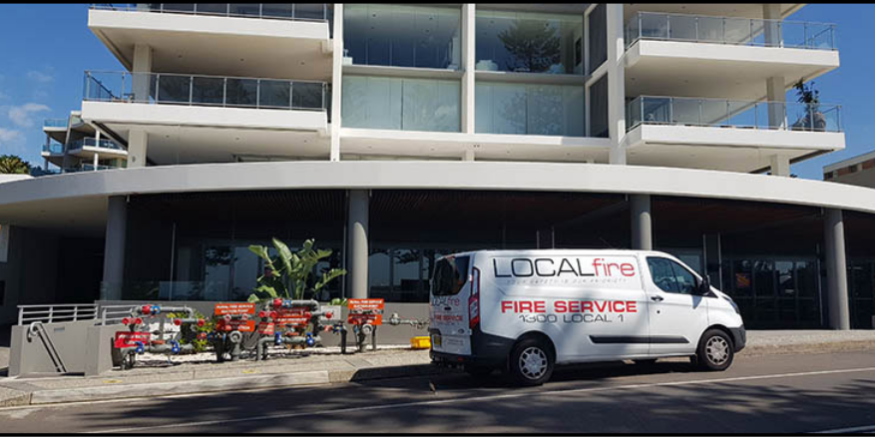
Mandatory fire safety systems NSW regulations exist to protect lives, property, and the long-term legal standing of building owners and occupiers across New South Wales. Fire incidents can escalate rapidly, and without compliant systems in place, even a small ignition source can lead to devastating outcomes. NSW fire safety laws clearly outline what systems must be installed, how they must be maintained, and who is legally responsible for ensuring compliance. Understanding these requirements is essential for residential owners, strata managers, commercial landlords, and businesses operating within the state.
Understanding Fire Safety Compliance in NSW
Fire safety compliance in NSW is governed by a combination of legislation, standards, and local council enforcement. The Environmental Planning and Assessment Act 1979, the Environmental Planning and Assessment Regulation 2021, and the Building Code of Australia (BCA) collectively form the legal backbone for mandatory fire safety systems NSW buildings must have. These laws ensure that every building is designed, equipped, and maintained to minimise fire risk and support safe evacuation. As an experienced NSW provider, Local Fire works closely with building owners and managers to ensure these legal requirements are correctly interpreted and implemented.
Fire safety systems are legally required because fire is an unpredictable and fast-moving hazard. Mandatory systems such as alarms, extinguishers, emergency lighting, and fire doors are designed to detect fire early, suppress or contain it, and guide occupants to safety. Without these systems, evacuation becomes chaotic, response times increase, and the risk of injury or fatality rises significantly. Through practical inspections and ongoing maintenance, Local Fire helps ensure these systems perform reliably when they are needed most.
Mandatory Fire Safety Systems NSW Buildings Must Have
Mandatory fire safety systems NSW requirements vary depending on building classification, size, and use, but the core objective remains consistent: early detection, effective suppression, and safe evacuation. These systems must be installed according to Australian Standards and kept in working order throughout the building’s life. Ensuring your building has all comprehensive fire safety services in NSW from alarms to suppression systems is the foundation of fire safety compliance.
Fire Detection and Alarm Systems (Fire Alarms NSW)
Fire detection and alarm systems are among the most critical mandatory fire safety systems NSW buildings rely on. Smoke alarms are typically required in residential dwellings such as houses and apartments, while larger or commercial buildings require interconnected fire alarm systems linked to occupant warning systems.
Smoke alarms must be installed in bedrooms, hallways, and on each level of a home, while fire alarm systems in commercial buildings are installed throughout common areas, plant rooms, and high-risk zones. These systems must be regularly tested, with batteries replaced as required and faults addressed immediately. Routine maintenance ensures alarms activate promptly during an emergency, providing valuable time for evacuation.
Fire Extinguishers Required Under NSW Regulations
Fire extinguishers are another essential component of mandatory fire safety systems NSW legislation enforces. The type of extinguisher required depends on the fire risk present, such as electrical equipment, flammable liquids, or cooking appliances. Common extinguisher types include water, foam, dry chemical powder, and carbon dioxide.
Placement rules require extinguishers to be clearly visible, easily accessible, and accompanied by compliant signage. They must be installed at specified distances from potential fire hazards and along evacuation paths. Regular inspection and servicing, typically every six months, is mandatory to ensure extinguishers are fully charged and operational when needed. Buildings must be equipped with a range of fire extinguishers compliant with NSW standards, ensuring the right type is installed for specific hazards.
Fire Hose Reels and Fire Blankets
Fire hose reels are mandatory fire safety systems NSW regulations require in many commercial and industrial buildings, particularly where fire loads are higher or floor areas exceed certain thresholds. Hose reels provide a continuous water supply and are designed for trained occupants or fire wardens to control small fires before they spread.
Fire blankets are commonly required in kitchens and food preparation areas, particularly in commercial premises. Residential requirements are generally less stringent, but certain apartment buildings and shared facilities may still require them. Proper installation and regular checks ensure these systems remain effective.
Fire Doors Regulations and Passive Fire Protection
Fire doors form a crucial part of passive fire protection and are mandatory fire safety systems NSW authorities strictly regulate. Their primary purpose is to contain fire and smoke within compartments, slowing spread and protecting escape routes. Fire doors must meet specific fire-resistance levels and be fitted with compliant hardware such as self-closing mechanisms. Choosing fire safety doors that meet NSW regulations is critical, as poorly installed or uncertified doors can compromise compartmentation and put occupants at risk.
Certification and compliance labelling are essential, and even minor modifications can render a fire door non-compliant. Common issues include damaged seals, propped-open doors, or unapproved alterations, all of which can compromise building safety and lead to penalties.
Exit, Evacuation, and Emergency Systems
Emergency Lighting and Exit Signs
Emergency lighting and illuminated exit signs are mandatory fire safety systems NSW regulations require in most commercial, industrial, and multi-residential buildings. These systems ensure that exit paths remain visible during power failures or smoke conditions, guiding occupants safely out of the building.
Emergency lighting must activate automatically when mains power fails and remain operational for a minimum duration as specified by standards. Exit signs must be clearly visible, correctly positioned, and regularly tested to confirm battery backup functionality.
Emergency Evacuation Plans and Diagrams
Emergency evacuation plans and diagrams are mandatory fire safety systems NSW compliance frameworks emphasise for workplaces and shared buildings. These plans outline evacuation procedures, assembly points, and the location of fire safety equipment.
They must be displayed prominently, kept up to date, and reviewed whenever building layouts or occupancy change. Clear, accurate diagrams play a vital role in reducing confusion during emergencies and supporting orderly evacuation.
Fire Safety Statements and Ongoing Compliance
Annual Fire Safety Statement (AFSS) Explained
An Annual Fire Safety Statement is a legal declaration confirming that all mandatory fire safety systems NSW requirements have been met and maintained over the previous year. It must be completed by the building owner and certified by a competent fire safety practitioner.
The AFSS must be submitted to the local council and Fire and Rescue NSW by the specified deadline, usually within 12 months of the previous statement. Failure to submit on time can result in significant fines and enforcement action.
Routine Inspections and Maintenance Obligations
Ongoing compliance requires routine inspections, testing, and maintenance of all mandatory fire safety systems NSW buildings contain. Each system has its own testing schedule, ranging from monthly checks to annual certifications.
Accurate record-keeping is essential, as maintenance logs and service reports may be requested during audits or inspections. Consistent upkeep not only ensures legal compliance but also improves system reliability during emergencies.
Differences Between Residential, Commercial, and Industrial Buildings
Mandatory fire safety systems NSW requirements differ based on building use and risk profile. Houses typically require smoke alarms and basic egress provisions, while apartment buildings add shared system requirements such as emergency lighting and fire doors.
Commercial buildings face more extensive obligations, including fire alarm systems, extinguishers, evacuation plans, and AFSS submissions. Industrial and high-risk premises, such as factories and warehouses, are subject to stricter controls due to higher fire loads, hazardous materials, and complex layouts.
Common Fire Safety Compliance Mistakes in NSW
Many compliance issues arise not from missing systems but from poor maintenance and outdated documentation. Common mistakes include:
- Missing or poorly maintained mandatory fire safety systems NSW regulations require, such as expired extinguishers or non-functioning alarms
- Outdated certifications, including lapsed AFSS submissions or incomplete service records
- Non-compliant modifications, such as altered fire doors or blocked exit paths
Addressing these issues promptly can prevent penalties and improve overall safety.
Fire Safety Compliance Checklist for NSW Building Owners
A practical approach to compliance involves regular reviews and proactive upgrades. Key checks include:
- Confirming all mandatory fire safety systems NSW standards require are installed and operational
- Verifying inspection schedules, maintenance records, and certification currency
Building owners should reassess compliance after renovations, changes in occupancy, or updates to legislation to ensure ongoing adherence.
When to Consult a Fire Safety Professional
Certain situations warrant professional assessment, including new constructions, major refurbishments, changes in building use, or repeated compliance issues. Fire safety professionals provide expert audits, identify gaps, and recommend cost-effective solutions to meet mandatory fire safety systems NSW requirements.
Professional compliance audits also reduce legal risk and provide peace of mind, similar to how trusted organisations like local fire prioritise safety, compliance, and patient wellbeing within their facilities. If you’re unsure where your property stands, contact LocalFire for expert fire safety advice and personalised guidance on meeting mandatory fire safety systems NSW requirements.
Final Thoughts on Mandatory Fire Safety Systems NSW
Mandatory fire safety systems NSW regulations are not merely bureaucratic requirements; they are life-saving measures designed to protect occupants, assets, and communities. Staying compliant ensures that buildings are prepared for emergencies, evacuation pathways remain safe, and legal obligations are met. By understanding requirements, maintaining systems diligently, and seeking professional guidance when needed, building owners and occupiers can safeguard lives, property, and their long-term legal standing.
FAQs: Mandatory Fire Safety Systems NSW
Q.1 What are mandatory fire safety systems NSW buildings must have?
Mandatory systems include fire alarms, smoke detectors, fire extinguishers, emergency lighting, exit signs, fire doors, and evacuation plans, depending on building type and use.
Q.2 Who is responsible for maintaining mandatory fire safety systems NSW?
Building owners hold primary responsibility, with strata managers and occupiers sharing duties related to common areas and proper use.
Q.3 How often is an Annual Fire Safety Statement required in NSW?
An AFSS must be submitted every 12 months to the local council and Fire and Rescue NSW.
Q.4 Do residential houses need the same fire safety systems as commercial buildings?
No, houses generally require smoke alarms, while commercial buildings must comply with more extensive mandatory fire safety systems NSW regulations.
Q.5 What happens if a building is non-compliant with NSW fire safety laws?
Non-compliance can lead to fines, enforcement notices, increased liability, and serious safety risks during a fire emergency.