Introduction to Annual Fire Safety Statements (AFSS)
How to get an AFSS in NSW is a question many strata managers and property owners ask when navigating fire safety compliance in New South Wales. An Annual Fire Safety Statement (AFSS) is a legally required document that confirms all essential fire safety measures within a building have been properly inspected and are functioning according to the relevant Australian Standards. It is not simply a formality; it is a critical safeguard that ensures occupants are protected in the event of a fire.
For strata managers and building owners, the responsibility goes beyond submitting paperwork. It involves coordinating inspections, maintaining fire safety systems, and ensuring that every compliance requirement is met within strict timeframes. Failure to do so can lead to penalties, legal risks, and, most importantly, compromised safety. By understanding the AFSS process in detail, property stakeholders can approach compliance with confidence and avoid unnecessary disruptions.
What Is an Annual Fire Safety Statement (AFSS)?
Definition and Legal Framework in NSW
An Annual Fire Safety Statement is a declaration made by the building owner stating that all essential fire safety measures have been assessed by a competent professional and meet the minimum performance requirements. In New South Wales, this obligation is enforced under environmental planning and building regulations, which require annual verification of fire safety systems.
Local councils are responsible for monitoring compliance and may issue notices or penalties if an AFSS is not submitted on time. Fire and rescue authorities may also review submitted statements, particularly in higher risk buildings. This regulatory framework ensures accountability and encourages consistent maintenance of fire safety systems across all applicable properties.
Buildings That Require an AFSS
AFSS requirements typically apply to buildings where fire safety measures are installed as part of development consent. This includes a wide range of property types such as strata residential complexes, commercial premises, and mixed-use developments.
In these buildings, systems like fire alarms, sprinklers, and smoke control mechanisms are essential for occupant safety and must be regularly inspected. Even smaller buildings can fall under AFSS requirements if they include specific fire protection systems. For strata managers, understanding whether their building requires an AFSS is the first step towards maintaining compliance and avoiding regulatory issues.
How to Get AFSS In NSW – Step-by-Step Process
Step 1: Identify Fire Safety Measures in Your Building
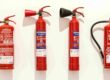
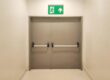
The process of how to get an AFSS in NSW begins with identifying all fire safety measures installed within the building. This step is foundational, as every listed system must be inspected and certified annually. These measures often include fire alarms, sprinkler systems, emergency lighting, fire extinguishers, and passive fire elements such as fire doors.
A thorough audit of these systems ensures nothing is overlooked. Missing even a single component can result in non-compliance, delays in certification, or additional inspection costs. For strata-managed properties, maintaining an updated schedule of fire safety measures is especially important, as systems may evolve over time due to upgrades or renovations.
Step 2: Engage a Competent Fire Safety Practitioner
Once all fire safety measures are identified, the next step is to engage a qualified and experienced fire safety practitioner. This professional is responsible for conducting inspections and verifying that each system meets the required standards. Choosing the right provider is critical, as their expertise directly impacts the accuracy and reliability of your AFSS. Many property owners prefer working with experienced Wollongong fire safety experts who understand local compliance requirements.
A trusted provider such as local fire brings both technical knowledge and practical experience in NSW compliance. They understand the specific requirements of local councils and can guide property owners through the entire process, from initial inspection to final submission. Working with a competent practitioner reduces the risk of errors and ensures the process is handled efficiently.
Step 3: Conduct the AFSS Inspection Process
The AFSS inspection process is comprehensive and involves detailed testing of all fire safety systems. Each component is assessed to confirm it operates correctly and complies with Australian Standards. This includes functional testing, visual inspections, and verification of maintenance history.
Inspections are not merely a checklist of exercise; they are designed to simulate real-world conditions and identify potential failures before they occur. For example, emergency lighting must function during power outages, and fire alarms must respond accurately to smoke detection. A thorough inspection provides confidence that the building is prepared to respond effectively in an emergency situation.
Step 4: Complete Repairs and Maintenance
It is common for inspections to identify issues that need to be addressed before certification can be issued. These may range from minor faults, such as expired extinguishers, to more significant concerns like malfunctioning alarm systems. Addressing these issues promptly is essential to progressing the AFSS process.
Repairs and maintenance should always be carried out by qualified professionals, and all work must be properly documented. This documentation serves as evidence of compliance and may be required during audits or future inspections. Taking a proactive approach to maintenance throughout the year can significantly reduce the likelihood of major issues arising during the annual inspection.
Step 5: Obtain AFSS Certification
After all systems have been inspected and any necessary repairs are completed, the next step in how to get AFSS NSW is obtaining certification. The building owner signs the Annual Fire Safety Statement, confirming that all essential measures meet the required standards.
This step represents the formal acknowledgement of compliance and carries legal responsibility. It is therefore important that the information provided is accurate and supported by inspection reports. Fire safety practitioners play a key role in verifying this information and ensuring that the statement is prepared correctly.
Step 6: Submit the AFSS to Local Council and Fire Authorities
The final step is to submit the completed AFSS to the local council and relevant fire authorities before the due date. This submission must include all supporting documentation, such as inspection reports and maintenance records, to demonstrate compliance.
Timeliness is critical. Late submissions can result in fines or enforcement action, even if the building itself is compliant. By planning ahead and working with an experienced provider like localfire, property owners can ensure that submission deadlines are met without unnecessary stress.
Understanding the AFSS Inspection Process
What Happens During an Inspection
During an AFSS inspection, each fire safety measure is tested in accordance with Australian Standards to ensure it performs as intended. This process involves both technical assessments and practical testing, with a focus on identifying any faults or compliance gaps.
Inspectors will examine system functionality, review maintenance records, and confirm that all components are accessible and properly installed. The goal is to ensure that every system will operate effectively in an emergency, providing occupants with the necessary protection and time to evacuate safely.
Common Issues Found During AFSS Inspections
Many buildings encounter similar issues during inspections, often due to inconsistent maintenance or outdated equipment. Faulty alarms, expired extinguishers, and incomplete service records are among the most common problems identified.
These issues are typically preventable with regular servicing and proper record-keeping. However, when left unaddressed, they can delay certification and increase costs. For strata managers, maintaining a proactive maintenance schedule is one of the most effective ways to avoid these challenges and ensure a smoother inspection process.
How to Prepare for a Smooth Inspection
Preparation plays a significant role in the success of an AFSS inspection. Ensuring that all systems are regularly serviced, and that records are up to date can greatly reduce the likelihood of issues being identified.
Property owners should also ensure that all fire safety equipment is easily accessible and that any known faults are addressed prior to the inspection. Early scheduling is another important factor, as it allows sufficient time to complete repairs if required. A well-prepared building not only passes inspection more easily but also demonstrates a strong commitment to safety and compliance.
AFSS Certification Explained
Who Can Issue AFSS Certification?
AFSS certification must be carried out by qualified and accredited fire safety practitioners who have the expertise to assess compliance accurately. These professionals are responsible for verifying that each fire safety measure meets the required performance standards.
Engaging a reputable provider such as local fire ensures that certification is conducted thoroughly and in line with NSW regulations. Their experience in handling a wide range of properties allows them to provide reliable guidance and support throughout the certification process.
Key Documents Required for Certification
Obtaining AFSS certification requires comprehensive documentation that demonstrates compliance. This typically includes inspection reports, maintenance logs, and records of any repairs or upgrades carried out.
Accurate documentation is essential not only for certification but also for ongoing compliance. It provides a clear record of system performance and maintenance history, which can be valuable during audits or future inspections. Keeping these records organized and up to date simplifies the entire AFSS process.
Validity and Renewal of AFSS
An AFSS is valid for a period of 12 months and must be renewed annually. This ongoing requirement ensures that fire safety systems continue to perform effectively over time.
For property owners, this means that compliance is not a one-off task but an ongoing responsibility. Establishing a structured maintenance and inspection schedule can make annual renewals more manageable and reduce the risk of last-minute complications.
Compliance Deadlines and Legal Obligations
AFSS Due Dates in NSW
Each building is assigned a specific AFSS due date, which must be adhered to each year. This date is typically linked to the building’s original approval or compliance schedule and remains consistent unless formally changed.
Understanding and tracking this deadline is essential for avoiding penalties. Many property owners choose to begin the inspection process well in advance to ensure sufficient time for any required repairs or follow-up inspections.
Penalties for non-compliance
Failure to comply with AFSS requirements can have serious consequences, both financially and legally. Local councils have the authority to issue fines and enforcement notices, and repeated non-compliance can lead to more severe actions.
Beyond regulatory penalties, non-compliance can also impact insurance coverage and increase liability in the event of a fire. Most importantly, it places building occupants at risk. For strata managers and owners, maintaining compliance is a critical aspect of responsible property management.
Cost of Getting an AFSS Issued
Factors Affecting AFSS Costs
The cost of obtaining an AFSS can vary depending on several factors, including the size and complexity of the building, the number of fire safety systems installed, and the condition of those systems. Buildings with more advanced or extensive fire protection measures typically require more detailed inspections, which can increase costs.
Additionally, any repairs or upgrades identified during the inspection process will contribute to the overall expense. Older buildings may require more extensive work to meet current standards, while well-maintained properties often experience lower costs.
How to Budget for AFSS Compliance
Effective budgeting is key to managing AFSS-related expenses. Rather than treating it as a once-a-year cost, property owners should consider ongoing maintenance as part of their annual budget. This approach helps spread costs over time and reduces the likelihood of unexpected expenses.
Working with a reliable provider such as local fire can also support better financial planning. Their proactive approach to maintenance and inspections helps identify potential issues early, allowing property owners to address them before they become costly problems.
Choosing the Right Fire Safety Partner
What to Look for in a Fire Safety Company
Selecting the right fire safety partner is an important decision that can significantly impact the efficiency and reliability of your AFSS process. Experience, qualifications, and a strong understanding of NSW regulations are essential qualities to look for. It is important to review a provider’s company experience and expertise before making a final decision.
A good provider should also offer a comprehensive range of services, including inspections, maintenance, repairs, and certification. Transparent communication and detailed reporting are equally important, as they ensure property owners are fully informed throughout the process. Choosing a provider that offers complete support is essential, which is why many strata managers rely on comprehensive fire safety services tailored to NSW compliance requirements to simplify the entire AFSS process.
Why Choose Local Fire
Local Fire is a trusted provider specializing in fire safety compliance across New South Wales. Their team offers end-to-end AFSS services, making it easier for strata managers and property owners to manage their obligations with confidence. Choosing a provider that offers complete fire safety services can make the entire AFSS process much more efficient.
From initial inspections to final submission, local fire provides a streamlined and professional service tailored to the needs of each property.
Best Practices to Stay AFSS-Compliant Year-Round
Regular Maintenance and Testing
Maintaining fire safety systems throughout the year is essential for ensuring ongoing compliance. Regular servicing helps identify potential issues early and ensures that all systems remain in working order.
Keeping Accurate Records
Detailed record-keeping is a fundamental part of AFSS compliance. Maintaining accurate logs of inspections, maintenance activities, and repairs provides clear evidence of compliance and simplifies the certification process.
Scheduling Early Inspections
Planning inspections well in advance of the due date allows sufficient time to address any issues that may arise. Early scheduling reduces stress and ensures that the AFSS can be submitted on time without complications.
Conclusion: Simplifying the AFSS Process for Property Owners
Understanding how to get AFSS in NSW is essential for strata managers and property owners who want to maintain compliance and ensure the safety of their buildings. The process involves careful planning, thorough inspections, and timely submission, all of which contribute to a safer environment for occupants. To simplify your AFSS compliance, you can get in touch with our team for reliable support.
Taking a proactive approach and partnering with experienced professionals like local fire property owners can simplify the AFSS process and avoid unnecessary risks. With the right support and consistent maintenance, staying compliant becomes a manageable and efficient part of property management rather than a stressful annual obligation.
Frequently Asked Questions About AFSS NSW
1. How long does it take to get an AFSS issued?
It typically takes a few days to several weeks depending on building size and required repairs.
2. Can I submit AFSS myself?
Yes, but inspections and certification must be completed by a qualified fire safety practitioner.
3. What happens if my building fails inspection?
You must fix all non-compliant issues and pass re-inspection before certification.
4. Is AFSS required for residential buildings?
It is required for most strata residential buildings but not for standalone houses.
5. What documents are required when submitting an AFSS?
You need inspection reports, maintenance records, and compliance documentation.
6. What are the penalties for late AFSS submission?
Late submission can result in fines, legal action, and increased liability risks.
3. What happens if my building fails inspection?
You must fix all non-compliant issues and pass re-inspection before certification.
4. Is AFSS required for residential buildings?
It is required for most strata residential buildings but not for standalone houses.
5. What documents are required when submitting an AFSS?
You need inspection reports, maintenance records, and compliance documentation.
6. What are the penalties for late AFSS submission?
Late submission can result in fines, legal action, and increased liability risks.