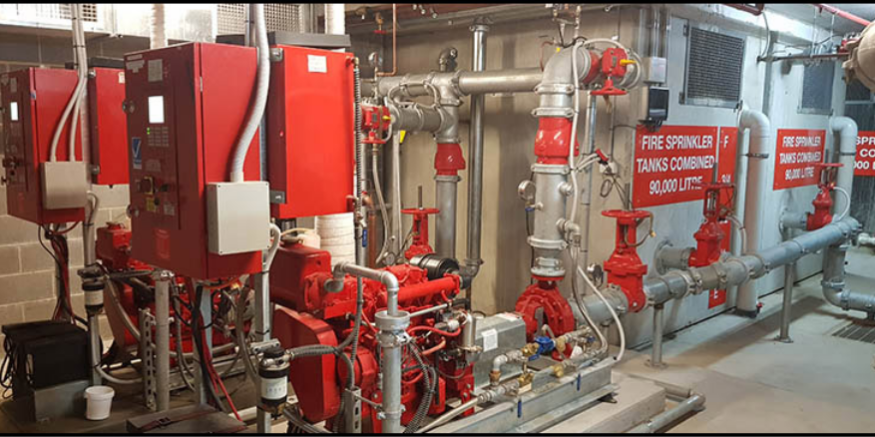
Annual fire safety statement NSW requirements are a critical part of building compliance across New South Wales. Building owners, strata managers, and property managers must ensure their properties meet strict fire safety standards each year. An Annual Fire Safety Statement (AFSS) confirms that all essential fire safety measures within a building have been inspected, tested, and verified to be operating according to Australian standards and regulatory requirements.
For property owners and managers, understanding the annual fire safety statement NSW process is essential for maintaining compliance, protecting occupants, and avoiding significant penalties. Professional fire safety service providers such as Local Fire help building owners navigate these obligations through inspections, testing, and certification services aligned with NSW regulations. Property owners across the Illawarra region often rely on professional fire services in Wollongong to ensure their buildings meet all required fire safety standards and AFSS compliance obligations.
Understanding the Annual Fire Safety Statement NSW
An annual fire safety statement NSW is a legal document that confirms all essential fire safety measures in a building have been assessed and are capable of performing to the required standard. The document is submitted to the local council and the NSW Fire and Rescue authority to demonstrate compliance with state fire safety regulations.
The primary purpose of the statement is to ensure that fire protection systems installed in a building continue to function properly over time. Fire safety systems are designed to detect fires early, assist occupants in evacuating safely, and help firefighters respond effectively in emergencies.
Under NSW legislation, many buildings that contain essential fire safety measures must submit an AFSS every year. This requirement applies to a wide range of property types, including commercial buildings, strata developments, and residential apartment complexes. Failure to submit the statement by the required deadline can lead to compliance notices, fines, and increased legal liability.
AFSS Meaning Explained for Building Owners
The AFSS meaning refers to a formal declaration that essential fire safety systems within a building have been inspected and maintained according to the relevant Australian standards. This statement is typically signed by the building owner or responsible person after inspections are completed by qualified fire safety professionals.
For property stakeholders, the AFSS serves as proof that the building’s fire protection systems are functioning correctly. The document provides reassurance to regulators, insurers, and occupants that appropriate safety measures are in place. For strata managers and building managers, maintaining an accurate AFSS record is also an important part of responsible property management.
Why AFSS Is Critical for Fire Safety Compliance
The annual fire safety statement NSW process is not simply an administrative task. It plays a vital role in ensuring that buildings remain safe environments for occupants and visitors. Fire safety systems must be inspected regularly to confirm they can perform effectively in an emergency.
An AFSS helps ensure that systems such as alarms, sprinklers, and emergency lighting continue to operate as designed. It also demonstrates that the building owner is meeting the legal obligations set out by NSW authorities. By maintaining up-to-date fire safety documentation, property owners reduce risks and ensure they are prepared for regulatory inspections.
Legal Requirements for an Annual Fire Safety Statement NSW
The annual fire safety statement NSW requirement is governed by the Environmental Planning and Assessment Regulation in New South Wales. These regulations establish clear responsibilities for building owners regarding fire safety systems and annual reporting obligations.
Each year, building owners must confirm that the fire safety measures installed in their property have been properly inspected and tested by competent professionals. These inspections verify that systems comply with the performance standards specified when the building was approved or constructed.
Submitting the AFSS on time is essential. Local councils monitor compliance closely, and missing a submission deadline may trigger regulatory action. The responsibility for compliance remains with the building owner or strata management body.
AFSS Requirements NSW Building Owners Must Follow
Building owners must follow specific procedures when preparing an annual fire safety statement NSW. These requirements ensure that fire protection systems remain operational and compliant with relevant standards.
- Essential fire safety measures must be inspected and tested regularly
- Qualified fire safety practitioners must certify that the systems meet performance standards
- The completed AFSS must be submitted to the local council and fire authorities before the due date
- A copy of the statement must be displayed in a visible location within the building
These steps are designed to ensure that buildings maintain effective fire protection systems throughout their operational life.
Buildings That Must Provide an AFSS
Many property types across New South Wales are required to submit an annual fire safety statement NSW. The obligation typically applies to buildings where essential fire safety measures have been installed.
Examples include:
- Strata-titled residential buildings
- Commercial and industrial properties
- Multi-storey residential apartment complexes
- Public buildings such as hotels, schools, and shopping centres
If a building has fire protection systems listed in its fire safety schedule, the owner is generally required to submit an AFSS each year.
Essential Fire Safety Measures Included in an AFSS
Essential fire safety measures refer to the equipment, systems, and building features designed to detect fires, alert occupants, and assist with evacuation. These measures are listed in a building’s fire safety schedule and must be maintained throughout the building’s life.
When preparing an annual fire safety statement NSW, each of these systems must be inspected and verified by qualified professionals. Regular testing ensures that the systems operate effectively during emergencies and meet the standards required by NSW legislation. Regular inspections of alarms, suppression systems, and detection equipment are typically carried out by providers offering expert fire services in Albion Park, ensuring each system functions correctly during annual AFSS inspections.
Common Fire Safety Systems Listed in an AFSS
Fire safety systems included in an AFSS vary depending on the building type and design. However, several systems are commonly found in commercial and residential buildings.
These systems often include fire alarms and smoke detection systems that provide early warning during a fire incident. Fire extinguishers and hose reels are installed to help occupants control small fires before emergency services arrive. Emergency lighting and illuminated exit signs assist occupants in safely evacuating during power failures or low-visibility conditions.
Other essential systems include fire doors designed to contain smoke and flames, smoke control systems that limit the spread of hazardous gases, and automatic sprinkler systems that activate when heat is detected. Each of these systems plays an important role in protecting both occupants and property.
Who Is Responsible for Preparing an Annual Fire Safety Statement NSW?
Responsibility for preparing and submitting an annual fire safety statement NSW ultimately rests with the building owner. However, several parties may be involved in the process, including strata committees, building managers, and fire safety professionals.
Building owners must ensure inspections are scheduled, systems are properly maintained, and the final AFSS document is submitted before the deadline. Many owners rely on professional fire safety companies such as Local Fire to coordinate inspections, testing, and compliance reporting. Many building owners work with experienced fire safety professionals at Local Fire to ensure inspections, testing, and documentation for the annual fire safety statement NSW are completed accurately and on time.
Role of Accredited Fire Safety Practitioners
Accredited fire safety practitioners play a central role in the annual fire safety statement NSW process. These professionals possess the technical knowledge required to inspect fire safety systems and confirm that they meet applicable standards.
Their responsibilities typically include conducting detailed inspections, testing fire safety equipment, and verifying that systems operate according to Australian standards. After completing inspections, they provide certification confirming the performance of each essential fire safety measure.
This certification forms the technical foundation of the AFSS submitted to regulatory authorities.
Responsibilities of Property Owners and Strata Committees
Property owners and strata committees must actively manage the AFSS process each year. Their responsibilities include organising inspections and ensuring all fire safety systems remain operational.
They must also maintain accurate documentation related to inspections, repairs, and maintenance activities. Once the inspection process is complete, the owner or authorised representative signs the AFSS confirming compliance.
Submitting the statement on time is essential to avoid penalties and maintain regulatory compliance.
When and How to Submit an Annual Fire Safety Statement NSW
The annual fire safety statement NSW must be submitted every year on the anniversary date assigned to the building. This date is usually determined when the building’s fire safety schedule is issued.
Building owners must complete inspections, gather certifications, and prepare documentation before submitting the statement to their local council and Fire and Rescue NSW.
Annual AFSS Submission Process
Preparing an annual fire safety statement NSW generally involves several steps designed to ensure all fire safety measures are verified and documented.
- All essential fire safety systems are inspected and tested
- Qualified fire safety practitioners provide certification
- The AFSS document is completed and signed
- The statement is submitted to the local council and Fire and Rescue NSW
- A copy of the AFSS is displayed in the building
Following these steps ensures the building remains compliant with NSW fire safety regulations.
Consequences of Missing an AFSS Deadline
Failing to submit the annual fire safety statement NSW on time can lead to serious consequences. Local councils may issue compliance notices requiring immediate action. Building owners may also face financial penalties for failing to meet regulatory obligations.
In more serious cases, missing an AFSS deadline can increase liability if a fire incident occurs. Insurance providers may also investigate whether the building owner met their fire safety compliance responsibilities.
Common Mistakes to Avoid When Managing AFSS Compliance
Managing the annual fire safety statement NSW process can be complex, especially for large buildings with multiple fire safety systems. Some building owners encounter compliance issues due to avoidable mistakes.
One common mistake is failing to schedule inspections early enough before the AFSS due date. Delays in inspections can make it difficult to gather certifications and submit the statement on time. Another frequent issue occurs when unqualified inspectors are used to assess fire safety systems, which may result in non-compliant documentation.
Failing to maintain fire safety equipment properly throughout the year is another problem that can create compliance risks. Fire extinguishers, alarms, and sprinkler systems require ongoing maintenance to ensure they remain operational.
Maintaining accurate documentation is also critical. Without proper records of inspections and maintenance activities, building owners may struggle to demonstrate compliance during regulatory reviews. If you need assistance with inspections or compliance documentation, you can schedule a fire safety inspection with the Local Fire team to ensure your annual fire safety statement NSW is completed correctly.
Why Understanding AFSS Meaning Matters for Building Owners
Understanding the AFSS meaning and the requirements of an annual fire safety statement NSW helps building owners protect both people and property. Fire safety systems play a crucial role in reducing risks during emergencies.
Maintaining compliance improves the safety of occupants, visitors, and emergency responders. It also helps property owners avoid regulatory penalties and legal complications. Buildings that maintain strong fire safety practices are more likely to maintain their property value and meet insurance requirements.
For strata managers and commercial property owners, staying informed about AFSS obligations is a key part of responsible building management. Many businesses maintain compliance by working with providers offering comprehensive fire safety services in Shellharbour, helping ensure fire equipment is properly maintained and certified each year.
Final Thoughts on the Annual Fire Safety Statement NSW
The annual fire safety statement NSW is an essential requirement for maintaining safe and compliant buildings across New South Wales. By confirming that essential fire safety systems are inspected, tested, and functioning correctly, the AFSS helps protect occupants and ensures building owners meet their legal obligations. Proactive planning, regular inspections, and professional support are critical components of successful fire safety management. Working with experienced fire safety professionals such as Local Fire can simplify the compliance process and help building owners ensure their properties remain fully compliant with NSW regulations while maintaining the highest safety standards.
Frequently Asked Questions
Q.1 What is an annual fire safety statement NSW?
An annual fire safety statement NSW is a document confirming that essential fire safety measures within a building have been inspected and meet required performance standards.
Q.2 Who must submit an AFSS in NSW?
Building owners, strata managers, or responsible property representatives must submit the AFSS each year if the building contains essential fire safety measures.
Q.3 When must an AFSS be submitted?
The AFSS must be submitted annually on the building’s assigned anniversary date to the local council and Fire and Rescue NSW.
Q.4 What happens if an AFSS is not submitted?
Failure to submit an annual fire safety statement NSW may result in fines, compliance notices, and increased liability if a fire incident occurs.
Q.5 Who can inspect fire safety systems for AFSS?
Accredited fire safety practitioners or qualified fire protection professionals conduct inspections and provide the certification required for AFSS submission.