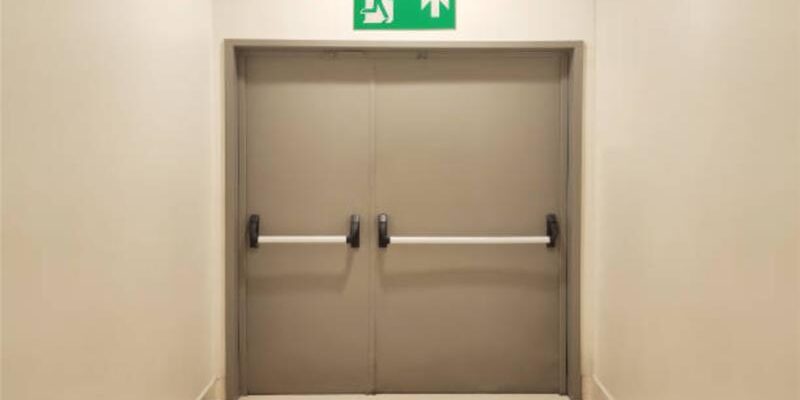
Fire safety responsibility in New South Wales is one of the most misunderstood areas of property compliance. Many building owners assume tenants are responsible; tenants believe it sits with owners, and strata committees often think managing agents handle everything. NSW fire safety laws are very specific about who holds legal responsibility, and getting it wrong can lead to fines, invalid insurance, and serious legal exposure.
At Local Fire, we regularly see compliance issues arise not because owners or tenants intended to ignore the law, but because responsibility was unclear. This guide explains, in plain English, who is responsible for fire safety in commercial and strata buildings in NSW, what the law says, and how to protect yourself from liability.
Understanding Fire Safety Responsibility in NSW
Fire safety responsibility refers to the legal duty to ensure a building fire safety measures are installed, maintained, inspected, and certified in accordance with NSW legislation. This includes alarms, extinguishers, emergency lighting, exit signage, fire doors, evacuation systems, and all other essential fire safety measures listed for a building.
Responsibility is often misunderstood in NSW because multiple parties are involved in a building operation. Owners, tenants, strata committees, and managing agents all play roles, but they do not carry equal legal obligations. NSW fire safety laws place primary responsibility on specific parties, regardless of private agreements or assumptions.
The purpose of these laws is to protect occupants, firefighters, and neighboring properties. When responsibility is unclear or ignored, fire safety systems fail, evacuation becomes dangerous, and the consequences can be severe. At Local Fire, we support building owners and strata managers across NSW with expert fire safety compliance and advice learn more about our team and mission at Local Fire.
What NSW Laws Say About Fire Safety Responsibility
Fire safety responsibility in NSW is governed by several key pieces of legislation. Together, they clearly establish who is legally accountable.
The Environmental Planning and Assessment Act (NSW) places the primary duty for fire safety on the building owner. It requires buildings to be maintained so that essential fire safety measures are performed as intended at all times.
The Environmental Planning and Assessment (Development Certification and Fire Safety) Regulation expands this by requiring Annual Fire Safety Statements. These statements confirm that each fire safety measure has been assessed by a competent person and meets the required performance standards.
The Building Code of Australia, as applied in NSW, sets the technical standards for fire safety systems. While the BCA explains how systems must perform, it is NSW legislation that determines who must ensure compliance.
Fire and Rescue NSW plays a statutory role in enforcement and response. While FRNSW does not maintain systems, it has the authority to inspect buildings, issue notices, and refer non-compliance to councils or courts.
Together, these laws make it clear that legal responsibility cannot be avoided or transferred simply by assuming another party will manage fire safety. Meeting these regulatory requirements often involves professional certification to find out how Local Fire supports compliance through expert building certification and fire safety documentation services.
Who Is Responsible for Fire Safety in Commercial Buildings?
In commercial buildings, the building owner carries the primary legal responsibility for fire safety compliance. This includes ensuring that all essential fire safety measures are installed, maintained, tested, and certified annually.
Owners must engage qualified professionals, lodge Annual Fire Safety Statements on time, and rectify any defects identified during inspections. Even if a tenant occupies the space, the owner remains legally accountable to regulators.
Tenants, however, also have responsibilities. These usually relate to how the premises are used day to day. Tenants must not damage fire safety systems, block exits, interfere with alarms, or create new fire risks through unsafe practices. In many leases, tenants are responsible for maintaining portable fire extinguishers within their tenancy or conducting staff fire training.
Shared responsibility often creates confusion. While lease agreements may allocate certain tasks to tenants, these private contracts do not override NSW law. If a system fails and the Annual Fire Safety Statement is incorrect or missing, authorities will pursue the owner first.
Common compliance mistakes in commercial properties include relying on outdated inspections, assuming tenants will manage all equipment, or failing to update fire safety schedules after fit-outs or changes in use.
Who Is Responsible for Fire Safety in Strata Buildings?
In strata buildings, responsibility is divided but still clearly defined under NSW law. The owners’ corporation is legally responsible for fire safety in all common property areas. This includes fire stairs, corridors, lobbies, car parks, shared alarms, emergency lighting, and fire control rooms.
The owners’ corporation must ensure these systems are inspected, maintained, and included in the Annual Fire Safety Statement. Failure to do so exposes the corporation and its committee members to legal action.
Individual lot owners are responsible for fire safety measures located entirely within their lot, provided those measures are not classified as common property. This may include smoke alarms, fire doors within the unit, or extinguishers installed as part of a commercial strata tenancy.
Strata managing agents play an administrative role. They coordinate inspections, engage contractors like Local Fire, manage records, and assist with compliance processes. However, managing agents does not carry legal responsibility. That responsibility always remains with the owners’ corporation.
Understanding the difference between common property and private lots is critical. Misclassification is a frequent cause of non-compliance and disputes.
Owner vs Tenant Fire Safety Responsibilities Explained
Owners are legally required to provide and maintain compliant fire safety systems. This includes installing systems that meet current standards, maintaining them, so they function correctly, and certifying them annually.
Tenants are responsible for using the building safely. They must not obstruct exits, disable alarms, or alter fire safety systems without approval. Where lease clauses allocate maintenance tasks, tenants must comply, but this does not remove the owner’s statutory duty.
Lease clauses can clarify who pays for inspections or repairs, but they cannot shift legal accountability under NSW law. In disputes, courts and regulators consistently priorities statutory responsibility over private agreements.
Real-world disputes often arise after an incident or inspection. A tenant may claim the owner failed to maintain systems, while the owner argues the tenant interfered with them. Clear documentation, regular inspections, and professional oversight help prevent these situations.
Fire Safety Responsibilities by Building Type
Different building types present different fire risks, but responsibility follows the same legal principles.
Office and commercial buildings require careful management of evacuation systems, alarms, and shared facilities. Owners must ensure systems remain compliant despite tenant turnover and fit outs.
Retail and hospitality premises introduce higher fire risks due to cooking equipment, electrical loads, and public occupancy. Owners and tenants must work closely to manage these risks without assuming responsibility to rest elsewhere.
Industrial and warehouse facilities often contain hazardous materials and specialized fire systems. Compliance failures in these environments attract significant penalties due to increased risk.
Residential strata and mixed-use buildings require clear separation of responsibilities between residential lots, commercial tenancies, and shared areas. Mixed-use buildings are particularly vulnerable to confusion and non-compliance. Whether it’s offices, retail, or industrial sites, Local Fire delivers trusted solutions tailored to each setting, including comprehensive fire services in Wollongong and surrounding areas like those featured on the Local Fire Wollongong fire services page.
Who Is Liable If Fire Safety Requirements Are Not Met?
When fire safety requirements are not met, legal liability usually rests with the building owner or owners’ corporation. Councils can issue fines, orders, and prosecution for failure to maintain systems or lodge Annual Fire Safety Statements.
Insurance risks are often overlooked. Insurers may deny claims if a building is found to be non-compliant at the time of a fire. This can result in devastating financial consequences for owners and strata corporations.
In serious cases, directors of companies or committee members of owners’ corporations may face personal liability if negligence can be proven. This is why understanding and actively managing fire safety responsibility is critical.
How to Ensure Fire Safety Responsibilities Are Met
Ensuring compliance starts with appointing qualified fire safety professionals who understand NSW regulations. Regular inspections, clear documentation, and proactive maintenance are essential.
Annual Fire Safety Statements are not formal. They are legal declarations that systems comply with required standards. Inaccurate or late statements can trigger enforcement action.
Recordkeeping is vital. Inspection reports, maintenance logs, and compliance certificates provide evidence that responsibilities are being met. Local Fire works with owners and strata managers to maintain clear, defensible compliance records.
Best practice involves regular reviews of fire safety schedules, especially after renovations, change of use, or tenancy changes. Proactive compliance is always less costly than enforcement.
Common Fire Safety Responsibility Myths in NSW
A common myth is that tenants are fully responsible for fire safety. In law, this is rarely true. Another misconception is that strata managers handle everything. They assist, but they are not legally accountable.
Some believe older buildings are exempt from current requirements. While existing buildings may have different standards, they are not exempt from maintaining their approved fire safety measures.
These myths create legal risk by encouraging inaction. Understanding the law is the only reliable way to protect yourself.
Key Takeaways on Fire Safety Responsibility in NSW
Fire safety responsibility in NSW is clearly defined, even if it feels complex. Building owners and owners’ corporations carry primary legal responsibility. Tenants and managing agents have important roles, but they do not replace statutory duties.
Understanding responsibility protects you legally, financially, and ethically. When in doubt, professional advice from specialists like Local Fire can prevent costly mistakes. For personalized advice on fire safety responsibilities or to arrange an inspection, contact Local Fire’s compliance team.
Conclusion:
Fire safety is not just a compliance checkbox. It is a legal obligation with real consequences for owners, strata committees, and businesses across NSW. A clear understanding of responsibility is the foundation of effective compliance. By knowing who is responsible, acting proactively, and engaging qualified professionals such as Local Fire, you reduce risk, protect occupants, and meet your legal duties with confidence.
Frequently Asked Questions
Q.1 Who is legally responsible for fire safety in NSW buildings?
In most cases, the building owner or owners’ corporation holds primary legal responsibility under NSW law, regardless of tenancy arrangements.
Q.2 Canfire safety responsibility be transferred to tenants through a lease?
Lease clauses can allocate tasks and costs, but they do not transfer legal responsibility under NSW legislation.
Q.3 Arestrata managers responsible for fire safety compliance?
Strata’s managers assist with coordination and administration, but legal responsibility remains with the owners’ corporation.
Q.4 Whathappens if an Annual Fire Safety Statement is not lodged?
Failure to lodge an AFSS can result in fines, enforcement action, and increased legal and insurance risk.
Q.5 How can I ensure my building stays compliant?
Engaging experienced fire safety professionals, maintaining accurate records, and conducting regular inspections are the most effective ways to ensure compliance.