Fire safety compliance requirements in NSW are not optional guidelines. They are legally enforceable obligations designed to protect lives, property, and businesses across residential, strata, commercial, and mixed-use buildings. Whether you own a single commercial premises, manage a strata complex, or act as a facility manager, understanding and meeting these requirements is critical. NSW fire safety laws are among the strictest in Australia, reflecting the serious risks associated with fire incidents and the importance of proactive prevention. This guide explains fire safety compliance in plain English, outlines the key laws, and clarifies who is responsible, what is required, and how to stay compliant over time.
Understanding Fire Safety Compliance Requirements in NSW
Fire safety compliance requirements in NSW refer to the legal duties imposed on building owners and responsible parties to ensure that fire safety measures are installed, maintained, and operating correctly at all times. In simple terms, compliance means that a building’s fire protection systems work as designed, are regularly inspected, and meet the standards set by NSW fire safety laws. These requirements apply to both new and existing buildings and continue throughout the life of the property, which is why many owners choose to work with experienced providers such as Local Fire to manage compliance accurately and consistently.
NSW has strict fire safety laws because fires present an immediate and severe risk to human life. High-density living, ageing buildings, and complex commercial environments increase the potential for fire incidents to escalate quickly. The regulatory framework exists to reduce these risks by enforcing consistent standards across all property types. Fire safety compliance protects occupants by ensuring early detection, safe evacuation, and effective fire suppression, an approach strongly emphasized by Local Fire in its compliance and certification services. At the same time, it protects property owners by reducing damage, legal exposure, and insurance disputes following an incident.
Key Fire Safety Laws and Regulations in NSW
Several interconnected laws govern fire safety compliance requirements in NSW. The Environmental Planning and Assessment Act is the primary legislation that establishes the obligation for buildings to meet fire safety standards. It provides the legal foundation for certification, inspections, and enforcement actions by councils and regulators.
Supporting this Act is the Environmental Planning and Assessment (Development Certification and Fire Safety) Regulation, which sets out the detailed requirements for fire safety measures, inspections, and the Annual Fire Safety Statement process. This regulation defines what must be inspected, who can assess fire safety measures, and how compliance is documented and enforced.
The Building Code of Australia, as adopted in NSW, sets the technical standards for building design, construction, and fire protection systems. While the BCA is a national code, its application in NSW is enforced through state legislation, making compliance mandatory for new developments and significant alterations.
Fire and Rescue NSW plays a statutory role in fire safety by providing advice, conducting inspections, and responding to fire incidents. While they do not certify buildings, their involvement influences enforcement actions and highlights the importance of compliance with fire regulations in NSW.
Who Must Meet Fire Safety Compliance Requirements in NSW?
Fire safety compliance requirements in NSW apply broadly, but legal responsibility is clearly defined. Building owners and landlords carry the primary obligation to ensure that all required fire safety measures are installed and maintained. This responsibility exists regardless of whether the building is owner-occupied or leased to tenants.
In strata schemes, the owners’ corporation is generally responsible for fire safety measures located on common property, including alarms, emergency lighting, and fire doors. Lot owners may still have obligations for fire safety elements within their individual lots, depending on the strata by-laws and building configuration. Commercial and mixed-use property owners must ensure compliance across all areas of the building, including shared spaces and tenancies.
Property and facility managers often handle day-to-day compliance tasks, but legal responsibility cannot be delegated away. If a breach occurs, enforcement action is taken against the owner or owners’ corporation, even if a managing agent was engaged.
Fire Safety Inspections and Certification in NSW
Fire safety compliance begins with initial certification when a building is constructed or significantly altered. This certification confirms that fire safety measures have been installed in accordance with approved plans and regulations. Ongoing compliance then relies on regular inspections and maintenance.
Accredited practitioners and competent fire safety assessors play a crucial role in verifying compliance. Councils and certifiers oversee the process, while Fire and Rescue NSW may become involved if serious risks or repeated breaches are identified. Together, these entities form an enforcement framework that ensures buildings remain safe over time. From initial approvals to annual assessments, engaging professionals who deliver fire safety certification and compliance services helps ensure all systems meet NSW regulatory standards.
Annual Fire Safety Statement (AFSS) Requirements
The Annual Fire Safety Statement is one of the most important fire safety compliance requirements in NSW. An AFSS is a legal declaration by the building owner or owners’ corporation confirming that all essential fire safety measures have been assessed and are functioning correctly.
An AFSS must be based on an inspection carried out by a competent fire safety assessor. These professionals evaluate each required fire safety measure against the standards applicable to the building. Once completed, the statement must be submitted to the local council and Fire and Rescue NSW by the required deadline, usually within twelve months of the previous statement.
Failing to provide an AFSS is a serious breach of fire safety compliance requirements in NSW and can result in significant penalties, including fines and legal action.
Essential Fire Safety Measures Required Under NSW Law
Essential Fire Safety Measures, commonly referred to as EFSMs, are the systems and features installed in a building to prevent, detect, control, and manage fire and smoke. These measures form the backbone of fire regulations in NSW and vary depending on the building’s classification and age.
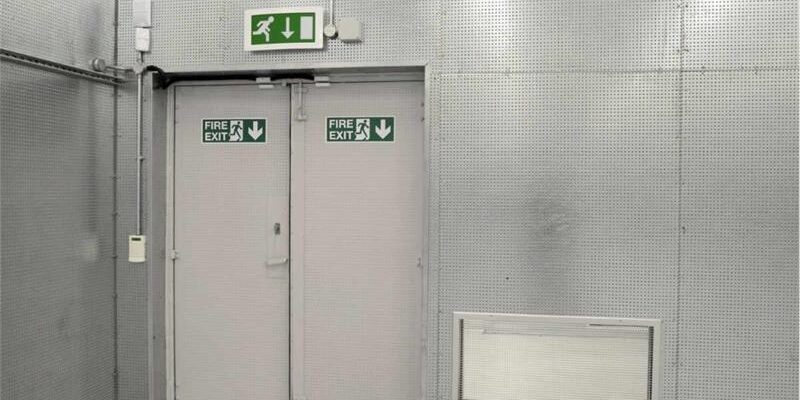
Fire detection and alarm systems are critical for early warning, allowing occupants to evacuate before conditions become life-threatening. Fire extinguishers and hose reels provide initial fire suppression, helping to control small fires before emergency services arrive. Exit signs and emergency lighting guide occupants to safety during power failures or smoke-filled conditions, reducing panic and confusion.
Fire doors, fire-rated walls, and smoke control systems are designed to compartmentalize a building, slowing the spread of fire and smoke. EFSMs must not only be installed but also maintained and tested regularly to ensure they perform as intended in an emergency.
Common Fire Safety Compliance Breaches in NSW Buildings
Many compliance breaches occur due to oversight rather than intent, but the consequences can still be severe. Missing or expiring Annual Fire Safety Statements are among the most common issues, often discovered during council audits or property transactions.
Non-functional fire safety equipment, such as faulty alarms or unmaintained extinguishers, undermines the effectiveness of fire protection systems. Blocked exits and non-compliant signage pose immediate risks during emergencies, while poor maintenance records make it difficult to demonstrate compliance if questioned by authorities. Each of these breaches increases both safety risks and legal exposure.
Penalties for Non-Compliance with Fire Safety Requirements in NSW
Penalties for failing to meet fire safety compliance requirements in NSW can be substantial. Councils may issue on-the-spot fines for minor breaches, while serious or repeated non-compliance can lead to court-issued penalties and prosecution.
Beyond fines, non-compliance can invalidate insurance policies, leaving owners financially exposed after a fire. In strata schemes and commercial properties, individual committee members or directors may face personal liability if they fail to act on known compliance issues.
How to Ensure Ongoing Fire Safety Compliance in NSW
Ongoing compliance requires a structured approach rather than reactive fixes. Creating a fire safety compliance schedule helps track inspection dates, maintenance tasks, and AFSS deadlines. Engaging qualified fire safety professionals ensures assessments are accurate and defensible.
Good record-keeping is essential, as documentation provides evidence of compliance efforts. Proactive audits and planned maintenance reduce the risk of unexpected failures and enforcement actions. Many property owners choose to work with experienced providers such as Local Fire to manage compliance obligations efficiently and professionally. Many owners reduce compliance risks by working with experienced fire safety specialists who understand NSW regulations and provide ongoing guidance tailored to each building type.
Fire Safety Compliance Requirements for Strata Properties in NSW
Strata properties present unique compliance challenges due to shared ownership and complex building layouts. The owners’ corporation is responsible for ensuring that common property fire safety measures meet NSW fire safety laws, while lot owners may have responsibilities within their individual units.
Managing compliance across multi-unit buildings requires coordination, clear communication, and professional support. Failure to address compliance collectively can expose all owners to penalties and increased risk. If you are uncertain about your current compliance status or upcoming AFSS deadlines, it is wise to speak with a fire safety compliance expert before issues escalate.
Conclusion: Staying Compliant with Fire Safety Requirements in NSW
Fire safety compliance requirements in NSW are not just regulatory obligations; they are a fundamental part of protecting lives, property, and long-term asset value. From understanding the core fire safety laws in NSW to maintaining essential fire safety measures and lodging an Annual Fire Safety Statement on time, compliance requires ongoing attention and accountability. Building owners, strata committees, and property managers who take a proactive approach to reduce legal risk, avoid costly penalties, and create safer environments for occupants and visitors alike.
Fire safety compliance is not a one-off task. It is a continuous process that evolves with building use, occupancy changes, and regulatory updates. Engaging experienced professionals and implementing structured compliance systems ensures nothing is overlooked. Trusted providers like Local Fire support property owners across NSW by delivering expert inspections, certification, and maintenance services aligned with current fire safety regulations. Investing in proper compliance today protects lives tomorrow and safeguards your responsibilities under NSW law.
Frequently Asked Questions About Fire Safety Compliance in NSW
Q.1 Is fire safety compliance mandatory in NSW?
Yes, fire safety compliance is mandatory in NSW for all buildings that are required to have essential fire safety measures. These obligations are enforced under NSW legislation, and failure to comply can result in fines, legal action, and increased liability for owners and strata committees.
Q.2 How often must fire safety systems be inspected?
Most essential fire safety measures must be inspected at least once every twelve months to support the Annual Fire Safety Statement. Some systems, such as fire doors, emergency lighting, and alarms, may require more frequent checks depending on the building type and applicable standards.
Q. 3 Who is legally responsible for fire safety compliance in strata buildings?
In strata properties, the owners’ corporation is generally responsible for fire safety measures located on common property. Individual lot owners may be responsible for fire safety elements within their units, depending on the strata by-laws and building design. Legal responsibility ultimately rests with the owners, not managing agents.
Q. 4 What happens if a building fails a fire safety inspection?
If a building fails for an inspection, the identified issues must be rectified within a specified timeframe. Failure to address defects can lead to penalty notices, court action, or further enforcement by the local council or regulators. In some cases, ongoing non-compliance may also affect insurance coverage.
Q. 5 Can insurance be affected by fire safety non-compliance?
Yes, insurance policies may be reduced, delayed, or invalidated if a building is found to be non-compliant with fire safety requirements in NSW. Insurers often require evidence of compliance, including a current Annual Fire Safety Statement, before processing claims.
Q. 6 Do older buildings still need to meet current fire safety laws?
Older buildings are required to maintain the fire safety measures applicable to them under their original approval, unless upgrades or changes trigger new requirements. However, all essential fire safety measures must still function correctly and be maintained in accordance with NSW fire safety regulations.
Q. 7 How can building owners ensure ongoing compliance?
Ongoing compliance can be achieved by maintaining a fire safety compliance schedule, keeping accurate inspection records, engaging competent fire safety professionals, and conducting proactive audits. Working with experienced providers such as Local Fire helps ensure all obligations are met consistently and correctly.
Q. 8 Where can I get professional help with fire safety compliance in NSW?
Professional fire safety inspections, certification, and compliance management services are available through specialist providers. Local Fire offers comprehensive fire safety solutions across NSW to help owners, strata schemes, and businesses meet their legal obligations with confidence.