The hospitality industry in Wollongong is thriving, with restaurants, hotels, cafés, and entertainment venues welcoming thousands of guests every day. However, these bustling environments also come with increased fire risks due to open flames, kitchen operations, and continuous guest activity. Implementing reliable fire safety systems is not just a regulatory requirement it’s essential for protecting lives, assets, and business reputation.
At Local Fire, we specialize in providing end-to-end fire protection solutions tailored to the unique needs of Wollongong’s hospitality sector. From kitchen fire suppression systems to hotel fire audits, our services ensure full compliance with local safety standards and peace of mind for business owners and managers.
Understanding Fire Hazards in Hospitality Environments
Hospitality venues face environmental and human factors that elevate fire risks. Each type of establishment restaurants, hotels, cafés, and bars presents distinct fire hazards that must be addressed through proactive planning and regular inspections.
Restaurant Fire Risks
Restaurants face some of the highest fire hazards due to constant cooking, heat sources, and flammable materials. Common causes include:
- Grease build-up in exhaust hoods and ducts
- Gas leaks from stoves and ovens
- Faulty electrical wiring in kitchen appliances
Without proper suppression systems and routine maintenance, these risks can quickly escalate into devastating incidents.
Hotel Fire Risks
Hotels are particularly vulnerable because of high guest occupancy, complex layouts, and multiple fire sources. Risks often involve:
- Electrical malfunctions from guest appliances
- Smoking in restricted areas
- Overloaded circuits and portable heating units
A comprehensive hotel fire protection system includes smoke detectors, alarm panels, fire sprinklers, and clear evacuation routes to ensure guest safety.
Cafés and Bars
Small hospitality venues also face unique challenges. Compact spaces, decorative lighting, and alcohol storage increase the potential for fire hazards. For cafés and bars, even minor incidents can result in significant property damage and business interruption.
Fire Safety Solutions for Restaurants, Hotels, and Cafés
Implementing proper fire safety measures is the foundation of a compliant and secure hospitality business. Local Fire provides a wide range of tailored solutions designed for every segment of the industry.
Restaurant Fire Safety
Restaurants should focus on preventive and responsive safety systems that address kitchen-specific hazards. Essential elements include:
- Automatic Kitchen Fire Suppression Systems: Installed over cooking equipment to detect and extinguish fires instantly.
- Grease and Duct Cleaning: Regular cleaning prevents flammable build-up.
- Staff Training: Employees should be trained in using fire extinguishers and executing evacuation protocols.
Hotel Fire Protection
Hotels require multi-layered protection strategies to safeguard guests and staff across various facilities. A typical plan includes:
- Fire alarms, smoke detectors, and sprinkler systems in guest rooms and hallways
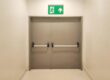
- Clearly marked exit routes and emergency lighting
- Periodic fire drills and fire warden training for staff
Hotels that follow these measures not only meet safety standards but also build trust with their guests and maintain compliance with regulatory authorities.
Kitchen Fire Suppression Systems
Commercial kitchens are among the most fire-prone areas in hospitality operations. A well-installed kitchen suppression system automatically releases extinguishing agents when it detects excessive heat or flames. These systems:
- Minimize property damage
- Allow quick kitchen recovery after a fire event
- Reduce insurance liabilities
To learn more about comprehensive protection services, explore Premier Fire Services in Wollongong.
Fire Safety Audits and Hospitality Compliance
Fire safety audits play a crucial role in maintaining a safe and compliant operation. In Wollongong, hospitality businesses must meet the standards set by the Building Code of Australia (BCA) and local fire safety regulations.
A professional fire safety audit typically includes:
- Inspection of fire extinguishers, hose reels, and alarms
- Testing of smoke and heat detectors
- Review of emergency exits and evacuation plans
- Evaluation of fire safety documentation and compliance certificates
Conducting regular audits ensures that all fire protection systems are functional, compliant, and aligned with the latest safety codes. This proactive approach not only avoids penalties but also demonstrates a commitment to guest and staff safety.
Best Practices for Managing Fire Safety in Hospitality
Beyond systems and equipment, creating a fire-safe culture is essential. Management must ensure that all employees understand their responsibilities and follow proper safety protocols.
Key best practices include:
- Routine Training: Conduct periodic fire safety workshops and evacuation drills.
- Emergency Preparedness: Maintain up-to-date emergency contacts and procedures.
- Accessible Fire Equipment: Ensure extinguishers and alarms are visible and unobstructed.
- Maintenance Schedule: Establish a maintenance log for all fire safety systems.
- Record Keeping: Keep detailed reports of inspections, audits, and staff training sessions.
These measures collectively reduce risks, enhance compliance, and reinforce a proactive safety mindset across the organization.
Partnering with Fire Safety Experts in Wollongong
Choosing a qualified and experienced fire safety partner is crucial for long-term protection. Professional fire service providers understand local compliance requirements and can customize fire safety systems to match the specific layout and operations of each business.
Advantages of professional fire safety partnerships include:
- Accurate risk assessment tailored to hospitality environments
- Customized design and installation of fire safety systems
- Scheduled inspections and equipment maintenance
- Documentation support for compliance certification
Working with local experts ensures faster response times and ongoing technical support whenever needed. If you require immediate assistance, you can Request Emergency Service from Local Fire today.
Conclusion
Fire safety in the hospitality sector is a shared responsibility between business owners, staff, and certified professionals. Restaurants, hotels, and cafés in Wollongong must prioritize prevention, compliance, and training to protect their people and property.
By investing in reliable systems such as kitchen fire suppression units, hotel sprinkler networks, and comprehensive safety audits, hospitality businesses can operate with confidence and security.
For personalized support or to schedule an audit, contact the experts or Request Emergency Service to ensure your business meets the highest standards of fire safety and compliance.
Frequently Asked Questions (FAQ)
1. Why is fire safety particularly important in hospitality businesses?
Hospitality establishments deal with cooking equipment, electrical devices, and high foot traffic—all factors that increase fire risks. Ensuring comprehensive fire protection safeguards lives, assets, and reputation while maintaining compliance with Wollongong’s fire safety regulations.
2. How often should fire safety equipment be inspected in a hotel or restaurant?
Fire extinguishers, alarms, and suppression systems should be inspected at least every six months. However, high-risk areas such as commercial kitchens may require more frequent checks depending on system usage and environmental conditions.
3. What are the key components of a fire safety audit?
A complete audit includes reviewing alarm systems, emergency lighting, exit signage, evacuation procedures, and maintenance records. It also ensures that all fire equipment is operational and that the property meets local compliance codes.
4. How do kitchen fire suppression systems work?
Kitchen fire suppression systems are designed to detect heat or flames automatically. Once triggered, they release a wet chemical agent that cools the fire and forms a barrier to prevent re-ignition. The system can shut down fuel or electrical supply to prevent further escalation.
5. What should I do if my hospitality business fails a fire safety audit?
If a business fails an audit, the issues must be corrected immediately. This can include replacing expired extinguishers, repairing alarms, or updating evacuation signage. Partnering with an experienced fire safety provider ensures timely remediation and compliance certification.