Understanding Fire Safety Inspections in NSW
Fire safety inspections in NSW exist to ensure that buildings meet minimum safety standards required under state legislation and the Building Code of Australia. These inspections are part of a broader compliance framework that aims to reduce fire-related injuries, fatalities, and property loss across residential, commercial, and industrial buildings. Many building owners engage the professional fire safety specialists at Local Fire to ensure inspections are completed thoroughly and successfully.
Who conducts fire safety inspections in NSW?
Fire safety inspections in NSW are conducted by authorised professionals and authorities, depending on the building type and circumstances. Local councils, Fire and Rescue NSW officers, and accredited fire safety practitioners all play a role in assessing compliance. Councils typically enforce compliance through inspections linked to development approvals, complaints, or routine audits, while accredited professionals are engaged by building owners to assess essential fire safety measures and prepare documentation such as Annual Fire Safety Statements.
What inspectors assess during a fire safety inspection
During a fire safety inspection, inspectors evaluate whether all required fire safety measures are installed, functional, and maintained in accordance with approved standards. This includes both passive and active fire protection systems, as well as management procedures that support safe evacuation. Inspectors compare the current condition of systems against the building’s fire safety schedule and relevant Australian Standards to identify defects, lapses, or failures.
Why inspections are legally critical for building owners
Fire safety inspections are legally critical because NSW legislation places the duty of care squarely on building owners. Compliance is not optional, and ignorance is not a defence. A failed inspection can expose owners to enforcement action, liability claims, and reputational harm. Regular inspections and maintenance demonstrate due diligence and help protect owners if incidents occur.
What Does It Mean to Fail a Fire Safety Inspection?
Failing a fire safety inspection means that one or more essential fire safety measures do not meet the required standard at the time of assessment. This failure can be minor or serious, but in all cases it signals non-compliance with legal obligations.
Common reasons buildings fail fire safety inspections
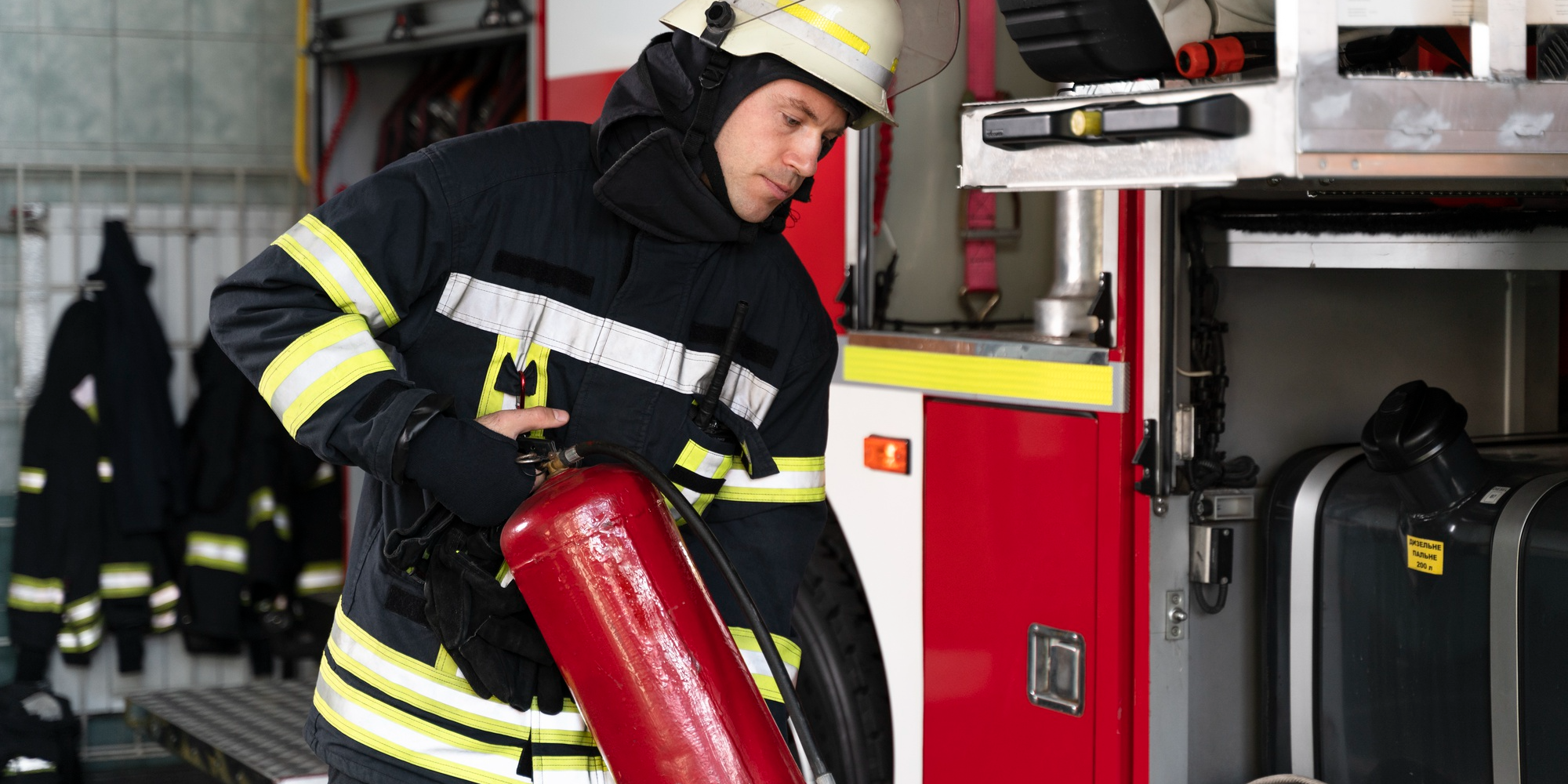
Many buildings fail inspections due to issues that accumulate over time, often because of poor maintenance or lack of awareness. Common problems include non-functional alarms, blocked exits, degraded fire doors, expired extinguishers, and incomplete documentation. In older buildings, systems may no longer meet current standards if upgrades have not been carried out following renovations or changes in building use. Simple issues like outdated extinguishers often trigger a failed inspection, highlighting the importance of fire extinguisher maintenance and compliance.
Minor non-compliance vs serious fire safety breaches
Not all failures are equal. Minor non-compliance might involve isolated defects that pose a low immediate risk, such as missing signage or overdue testing. Serious breaches, however, involve failures that significantly compromise occupant safety, such as inoperative detection systems, impaired sprinkler coverage, or obstructed egress paths. Inspectors assess the severity of each issue when determining enforcement actions.
How inspectors classify fire inspection failures
Inspectors classify failures based on risk level, scope, and urgency. Some issues may require rectification within a set timeframe, while others trigger immediate action to protect occupants. Classification determines whether the response involves a notice to fix, a fire safety order, or more severe measures such as evacuation.
Failed Fire Safety Inspection NSW: Immediate Consequences
When a failed fire safety inspection NSW is recorded, the response from authorities is often swift. Immediate consequences are designed to reduce risk while giving owners a pathway to compliance.
Issue of fire safety orders and notices
Councils or fire authorities may issue fire safety orders or notices that formally identify non-compliant items and require corrective action. These orders are legally binding and outline specific measures that must be addressed. Ignoring or delaying action can escalate the matter quickly.
Timeframes to fix non-compliant fire safety systems
Rectification timeframes vary depending on the severity of the defects. Minor issues may allow several weeks for correction, while serious breaches can require immediate attention. Failure to meet these deadlines often results in fines or further enforcement action, making prompt engagement with professionals like Local Fire essential.
When partial or full building evacuation may be required
In cases where occupant safety is at immediate risk, authorities can order partial or full evacuation of a building. This is more likely when critical systems are non-operational or escape routes are compromised. Evacuation orders can disrupt businesses, displace residents, and create significant financial loss.
Fire Inspection Failure Consequences for Building Owners
The consequences of failing a fire safety inspection extend beyond immediate rectification costs. For building owners, the ripple effects can impact legal standing, operations, and long-term asset performance.
Legal liabilities and duty of care obligations
Building owners have a legal duty of care to provide a safe environment. A failed inspection can be used as evidence of negligence if a fire-related incident occurs. This exposure increases the risk of civil claims, regulatory penalties, and personal liability for directors or owners.
Impact on building occupancy certificates
Non-compliance can affect the validity of occupancy certificates. Councils may suspend or restrict occupancy until issues are resolved, particularly if safety risks are high. This can halt business operations or prevent tenants from legally occupying the premises.
Insurance risks after a failed fire safety inspection
Insurance providers expect buildings to comply with fire safety laws. A failed inspection can lead to denied claims, increased premiums, or policy cancellations. In the event of a fire, insurers may investigate compliance history closely, making proactive compliance critical.
Fire Compliance Penalties and Fines in NSW
NSW law provides councils and courts with strong enforcement powers to address ongoing fire safety non-compliance. Penalties are designed to deter negligence and encourage prompt rectification.
Council enforcement actions and penalty notices
Councils can issue penalty infringement notices for specific breaches, with fines increasing for more serious or repeated offences. These notices are often issued alongside fire safety orders and add financial pressure to resolve issues quickly.
Court proceedings for unresolved non-compliance
If non-compliance persists, councils may escalate the matter to court. Court proceedings can result in substantial fines, compliance orders, and legal costs that far exceed the cost of early rectification. Reputational damage from public court records is another long-term consequence.
How repeat fire safety failures increase penalties
Repeat failures signal systemic neglect and attract harsher penalties. Courts and regulators consider compliance history when determining fines and enforcement actions. Persistent issues can also lead to closer scrutiny of all properties owned by the same entity.
How a Failed Inspection Affects Tenants and Occupants
Fire safety compliance is not just an owner’s issue; it directly affects tenants, employees, customers, and residents who rely on safe premises.
Tenant safety risks and evacuation responsibilities
Non-compliant fire systems increase the risk of injury or loss of life during an emergency. Tenants may be required to participate in evacuations or temporary closures, creating stress and uncertainty. Clear communication and swift rectification are essential to maintain trust.
Business disruption and reputational damage
For commercial buildings, failed inspections can interrupt operations, reduce foot traffic, and damage brand reputation. Customers and clients are increasingly sensitive to safety issues, and negative publicity can have lasting effects.
Lease disputes linked to fire safety non-compliance
Fire safety non-compliance can trigger lease disputes, particularly if tenants believe the premises are unsafe or unfit for purpose. Some leases include clauses allowing termination or rent adjustments if compliance is not maintained, adding financial risk for owners.
Steps to Take After Failing a Fire Safety Inspection
A failed inspection does not have to become a long-term problem if handled correctly. The key is structured, professional action.
Reviewing the fire safety inspection report
The first step is to carefully review the inspection report to understand each identified defect, its severity, and required actions. Owners should prioritise high-risk items and clarify any uncertainties with the inspecting authority or consultant.
Engaging accredited fire safety professionals
Working with accredited professionals ensures that rectification is carried out correctly and efficiently. Providers like Local Fire offer end-to-end support, from system repairs to compliance documentation, helping owners meet legal requirements with confidence.
Rectifying defects and documenting compliance
Rectification should be completed within the required timeframe and documented thoroughly.
Key actions typically include:
- Repairing or replacing non-functional fire safety systems such as alarms, sprinklers, and emergency lighting
- Updating records, certifications, and compliance documentation to demonstrate that issues have been resolved
Proper documentation is critical if authorities request evidence or conduct follow-up inspections. To help building owners address issues quickly, we offer a comprehensive fire safety services catalogue tailored to NSW compliance requirements.
How to Prevent Future Fire Safety Inspection Failures
Prevention is always more cost-effective than enforcement. Consistent compliance strategies reduce risk and provide peace of mind.
Ongoing fire safety maintenance and testing
Regular maintenance and testing ensure that systems function as intended and meet inspection standards. Scheduled servicing helps identify issues early, before they escalate into failures.
Importance of annual fire safety statements (AFSS)
Annual Fire Safety Statements confirm that essential fire safety measures have been assessed and are operating correctly. Submitting AFSS on time is a legal requirement in NSW and a key indicator of compliance for councils and insurers.
Proactive risk management for building owners
Proactive risk management involves planning, budgeting, and engaging trusted providers.
Effective strategies include:
- Conducting periodic internal audits to identify potential compliance gaps
- Partnering with experienced fire safety specialists like Local Fire for ongoing advice and system management
These measures significantly reduce the likelihood of future inspection failures.
Why Fire Safety Compliance Is a Risk Prevention Strategy
Fire safety compliance should be viewed as an investment in risk prevention rather than a regulatory burden. The benefits extend across legal, financial, and human factors.
Reducing legal, financial, and safety risks
Compliance reduces exposure to fines, lawsuits, and enforcement action while improving overall safety outcomes. Well-maintained systems also minimise damage if a fire occurs, protecting both lives and property.
Protecting occupants and asset value
Safe buildings attract and retain tenants, support higher asset values, and reduce vacancy risks. Occupants feel more secure in compliant buildings, which enhances long-term relationships and reputation.
Long-term benefits of consistent fire compliance
Consistent compliance creates predictability and control. Owners can budget accurately, avoid emergency repairs, and demonstrate professionalism to regulators, insurers, and stakeholders. If you receive a failed fire safety inspection NSW report, don’t delay contact Local Fire for immediate compliance support and actionable guidance.
Final Thoughts: Turning Fire Safety Failures Into Compliance Wins
Failing a fire safety inspection can feel overwhelming, but it also presents an opportunity to strengthen systems, processes, and accountability. By acting quickly, engaging qualified professionals, and committing to ongoing compliance, building owners can transform a failed fire safety inspection NSW outcome into a compliance success story. Partnering with experienced providers like Local Fire ensures that fire safety is managed proactively, protecting occupants, assets, and long-term business interests while meeting NSW legal requirements with confidence.
Frequently Asked Questions
Q.1 What happens immediately after a building fails a fire safety inspection in NSW?
Authorities may issue fire safety orders or notices outlining required rectifications and timeframes. In serious cases, restrictions on occupancy or evacuation orders may be imposed to protect occupants.
Q.2 Can a failed fire safety inspection lead to fines or court action?
Yes. If non-compliance is not rectified within the specified timeframe, councils can issue fines and escalate the matter to court, where higher penalties and legal costs may apply.
Q.3 Does failing a fire safety inspection affect insurance coverage?
It can. Insurers may deny claims, increase premiums, or cancel policies if a building is found to be non-compliant with fire safety laws at the time of an incident.
Q.4 How long do building owners have to fix issues after a failed inspection?
Timeframes depend on the severity of the issues. Minor defects may allow weeks for correction, while serious risks often require immediate action.
Q.5 How can building owners avoid failing future fire safety inspections?
Regular maintenance, timely Annual Fire Safety Statements, and working with accredited professionals like Local Fire are the most effective ways to maintain compliance and avoid future failures.