Introduction: Why Fire Safety Training Matters for Every Nowra Workplace
Fire safety isn’t optional it’s a critical responsibility that every Nowra workplace must prioritise. Whether you operate a commercial office, industrial site, hospitality venue, or retail space, the risks associated with fire incidents remain very real. For business owners, prioritising fire safety training Nowra isn’t just about ticking a compliance box it’s about equipping employees with the confidence, awareness, and skills needed to respond effectively in an emergency.
With increasing regulatory expectations in NSW and a growing emphasis on workplace safety culture, Nowra businesses require structured, ongoing training that empowers their teams. This is where Local Fire, a trusted fire safety provider in the region, plays a vital role. Proper training ensures your employees understand the risks, know how to respond, and can prevent small incidents from escalating into major hazards.
Understanding Fire Safety Training Needs in Modern Workplaces
Identifying Workplace-Specific Fire Risks
No two workplaces are the same and neither are their fire risks. An office may deal with overloaded electrical circuits, while a warehouse faces hazards associated with flammable goods, machinery, and storage systems. Hospitality venues must be vigilant about kitchen fires, and construction sites encounter risks from tools, fuels, and temporary wiring.
A strong fire safety plan begins with understanding the specific hazards unique to your workplace. This ensures employees don’t just learn “general fire safety” they learn what actually matters for their environment.
Why Employers Must Conduct Regular Risk Assessments
NSW Work Health and Safety regulations require businesses to maintain a safe workplace and conduct regular fire risk assessments. These assessments help identify emerging dangers such as deteriorating electrical equipment, poor housekeeping, or mismanaged storage systems.
Local Fire recommends regular risk reviews to ensure training content reflects the actual threats present in your environment. When employees see the training is relevant, engagement and retention improve dramatically.
Aligning Training Content With Industry Requirements
Different industries carry different legal and operational obligations when it comes to fire safety. For example:
- Aged-care facilities require specialised evacuation procedures.
- Industrial sites need training in hazardous materials handling.
- Retail stores must focus on public evacuation and communication.
Customised content ensures the right employees receive the right training another key reason Local Fire provides industry-specific fire safety modules.
Key Components of Effective Fire Safety Training in Nowra
Fire Prevention Education and Everyday Safety Awareness
Prevention is the first and most effective method of fire safety. Training emphasises:
- Recognising hazards early
- Maintaining equipment
- Safe electrical practices
- Proper handling of flammable substances
- Reporting risks before they escalate
When employees understand how fires start, they’re more likely to prevent them. Local Fire offers a full range of fire safety services designed to meet the needs of both low-risk and high-risk workplaces.
Evacuation Procedures and Emergency Response Protocols
Knowing how to evacuate quickly and safely saves lives. Effective training covers:
- Evacuation routes
- Assembly points
- The role of fire wardens
- Mobility assistance protocols
- Communicating during emergencies
Local Fire ensures employees become familiar with real building layouts, not just generic instructions.
Hands-On Fire Response Training (Using Extinguishers & Equipment)
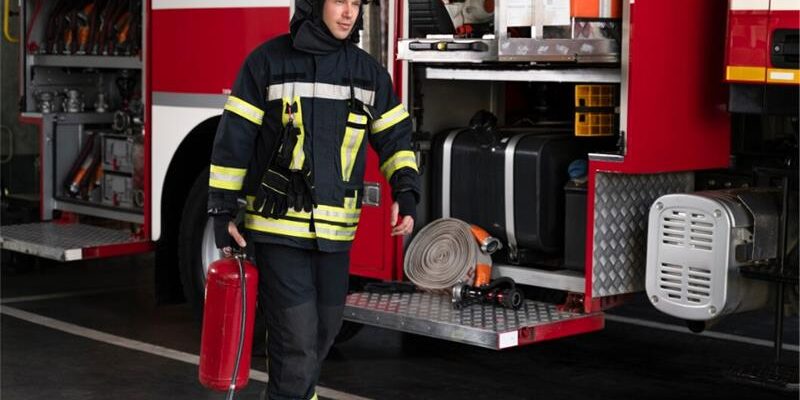
Nothing builds confidence like hands-on practice. Employees must learn:
- When and how to use fire extinguishers
- How to identify types of fire
- When to fight vs when to evacuate
- Using fire blankets and other equipment
Local Fire’s certified instructors provide practical demonstrations, so staff know exactly what to do under pressure.
Communication & Role Assignments During Fire Emergencies
Clear communication prevents chaos. Training covers:
- Fire warden responsibilities
- How to alert emergency services
- Reporting procedures
- Team coordination in high-stress scenarios
A well-structured communication system keeps everyone safe and accounted for.
The Role of Fire Safety Workshops in Strengthening Employee Preparedness
Why Workshops Are More Impactful Than Generic Online Tutorials
Online learning is useful but it can’t replace real-world practice. Fire emergencies require physical skills, quick decision-making, and situational awareness. Workshops offer:
- Hands-on training
- Real-time instructor feedback
- Team-based learning
- Practical demonstrations
Local Fire’s workshops ensure employees not only understand fire safety they can apply it.
Scenario-Based Fire Drills for Real-World Practice
By simulating real emergencies, employees experience:
- Moving through evacuation routes
- Navigating smoke or crowded spaces
- Making decisions under pressure
These drills help build instinctive responses so staff act quickly when seconds matter.
Building Confidence Through Instructor-Led Demonstrations
Fire emergencies can be frightening. Guided demonstrations help reduce fear and uncertainty. When employees see how equipment works and practise using it firsthand, their confidence increases significantly.
Benefits of Regular Employee Fire Safety Training
Reduced Workplace Risks and Faster Emergency Response
Trained employees identify hazards earlier, react faster, and make better decisions. This directly reduces workplace fire risks and the severity of potential damage.
Improved Compliance With NSW Safety Legislation
Regular training ensures your business complies with:
- Work Health and Safety (WHS) Regulations
- Fire safety standards in NSW
- Insurance requirements
Being compliant protects you from fines, legal issues, and unnecessary risk exposure.
Higher Employee Awareness & Overall Workplace Safety Culture
A workplace that prioritises fire safety builds a stronger culture of care, awareness, and responsibility. Employees feel valued, supported, and prepared.
How Often Should Nowra Workplaces Conduct Fire Safety Refreshers?
Recommended Training Frequency for High-Risk vs Low-Risk Industries
- High-risk industries (manufacturing, healthcare, hospitality):
Every 6–12 months - Low-risk industries (offices, retail, admin environments):
Every 12–24 months
Local Fire tailors schedules based on your industry and risk level.
Why Annual Workshops Help Maintain Employee Retention
Skills fade without practice. Annual training ensures:
- Updated knowledge
- Reinforced safety habits
- Continuous improvement in emergency response
This keeps your team ready year-round.
The Importance of Consistent Fire Prevention Education
Fire safety isn’t a one-time lesson. Regular education helps employees stay alert and proactive, preventing incidents before they happen.
Choosing the Right Fire Safety Training Provider in Nowra
Qualifications & Certifications to Look For
Your provider should have:
- Certified fire safety trainers
- NSW-compliant training programs
- Industry experience
- Strong local reputation
Local Fire is known for high-quality, compliant training trusted across Nowra.
Customisable Training Modules for Different Industries
Your workplace deserves training tailored to your needs. Local Fire offers modules for:
- Offices
- Construction
- Healthcare
- Retail
- Warehousing
- Hospitality
Custom content ensures relevance and effectiveness.
Why Experience With Local Nowra Businesses Matters (E-E-A-T)
Local expertise ensures trainers understand:
- Local regulations
- Common regional risks
- Building structures and layouts
- Real needs of Nowra workplaces
This enhances training quality and safety outcomes. Partnering with experienced fire safety professionals ensures your workplace receives accurate, compliant, and locally relevant training.
How to Prepare Your Employees for Fire Safety Workshops
Pre-Training Briefings and Expectations
Before the workshop, inform employees about:
- What the training covers
- Why it’s important
- Safety clothing requirements (if applicable)
This sets clear expectations and boosts participation.
Encouraging Staff Participation and Engagement
Leadership involvement helps motivate employees. Encourage staff to ask questions, participate in drills, and share their concerns.
Reviewing Safety Protocols and Emergency Maps Before Workshops
Familiarising staff with evacuation maps and existing safety protocols helps trainers deliver more targeted, effective sessions. For tailored fire safety workshops designed for Nowra workplaces, you can get in touch with the Local Fire team to arrange a session
Final Thoughts: Why Investing in Regular Fire Safety Training Protects Your Business
Fire safety training is one of the most powerful investments a business can make. It protects people, strengthens compliance, reduces risks, and builds a resilient workplace culture. For fire safety training Nowra businesses can trust, Local Fire offers comprehensive, hands-on training designed to empower employees and safeguard workplaces.
Frequently Asked Questions (FAQ)
Q.1 How often should my business conduct fire safety training in Nowra?
Most workplaces should schedule refresher training every 12 months. High-risk industries may require training every 6 months.
Q.2 Who needs to participate in fire safety training?
All employees should attend. Fire wardens and managers may require additional specialised training.
Q.3 Does Local Fire provide hands-on fire extinguisher training?
Yes. Local Fire offers practical, instructor-led extinguisher use training as part of their workshops.
Q.4 Is fire safety training mandatory in NSW?
Yes. WHS laws require businesses to provide appropriate emergency procedures training for all staff.
Q.5 Can Local Fire customise training for different industries?
Absolutely. Training modules are tailored based on your workplace, risks, and industry requirements.